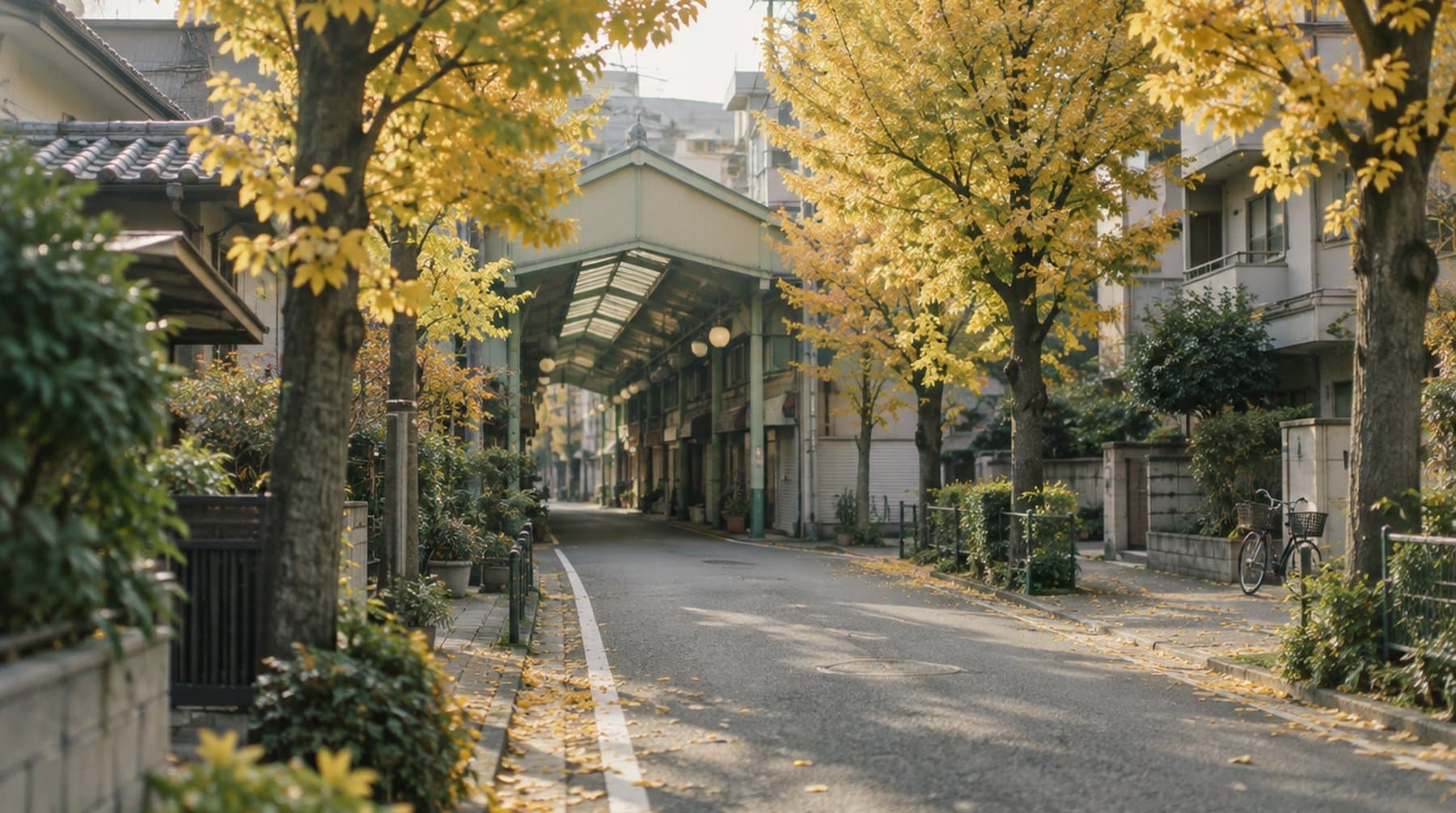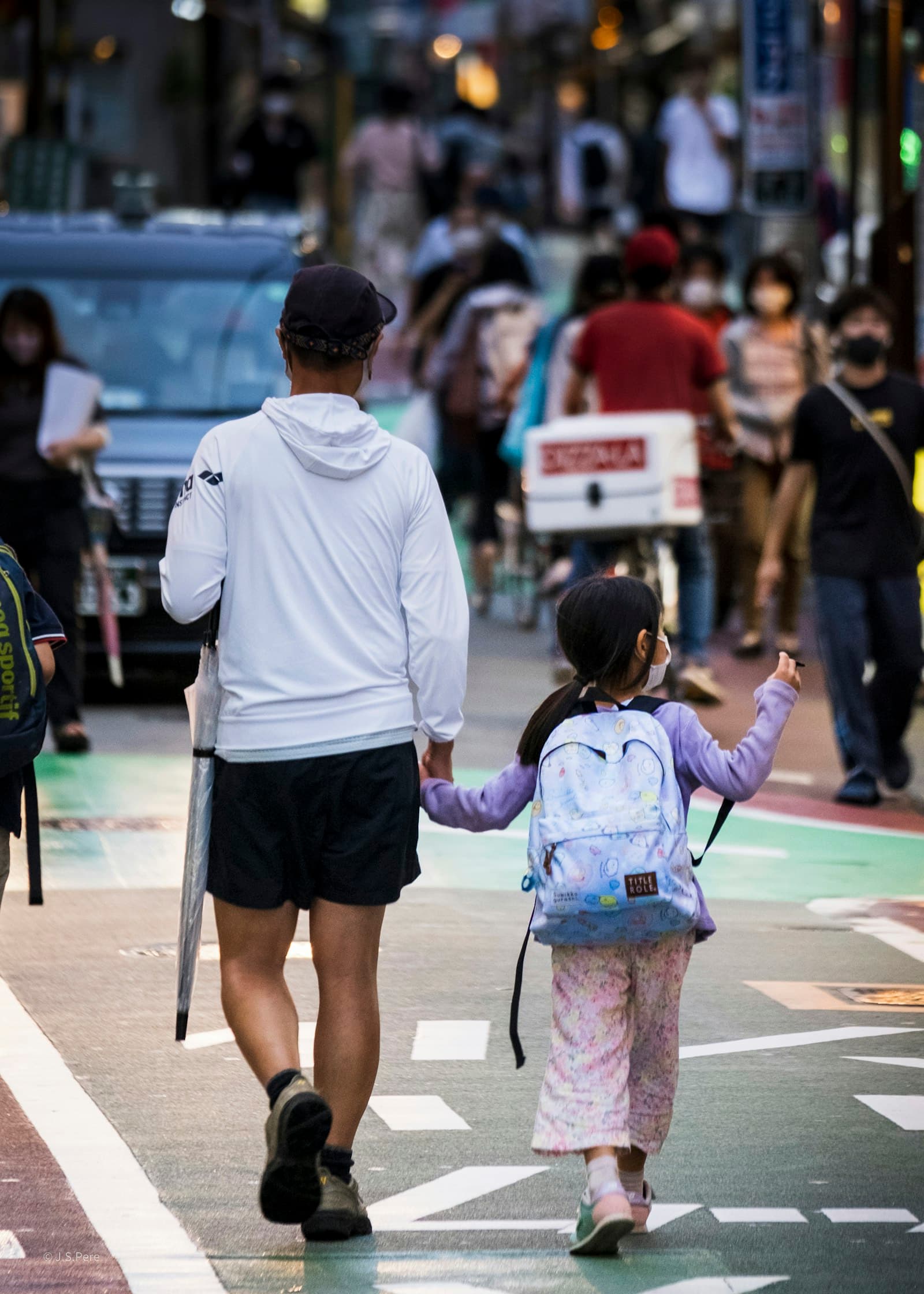

Kameari is a neighbourhood in Katsushika ward, on the east side of Tokyo, 15 minutes from Ueno on the JR Joban Line, and the reason to stay here is that nothing is staged for visitors. Shopping streets are full of people buying dinner, restaurants are family-run, the river bank is where the neighbourhood walks its dogs. We run a two-floor house here, four minutes' walk from the station, and 489 stays came through our six rooms in Tokyo and Sapporo in the twelve months to September 2026 (measured 1 October 2026, method at our published operating data). This guide is what we tell those guests when they ask what there is to do outside the door.
Where is Kameari, and which ward is it in?
Katsushika ward (葛飾区), one of Tokyo's 23 wards, in the north-east corner of the city between the Nakagawa and Edogawa rivers. The station is on the JR Joban Line local service, and that single line does most of the work: Ueno in 15 minutes, Asakusa and Akihabara in about 20, Tokyo Station in 25. For the Tokyo Metro network you change at Kita-Senju, two stops away.
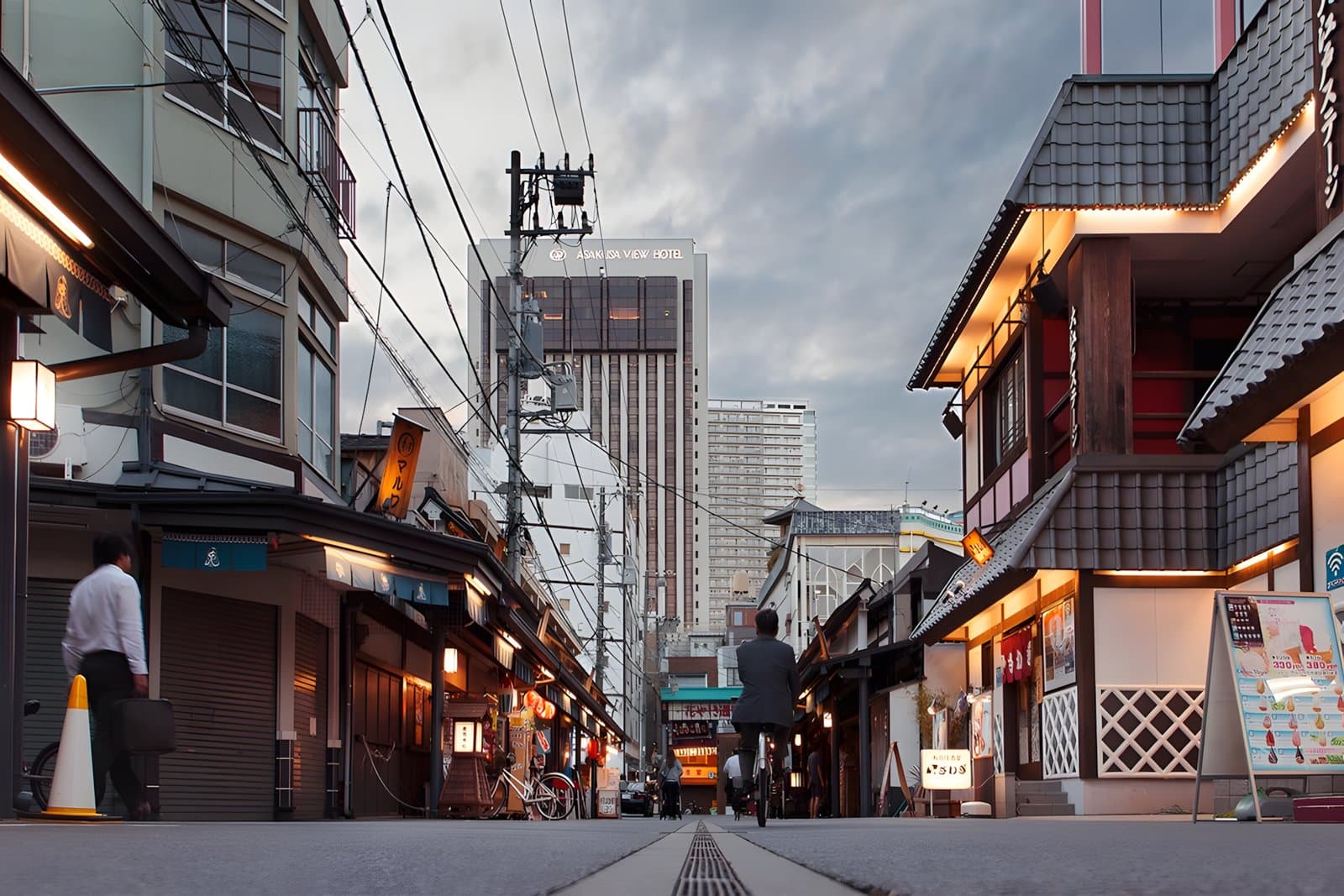
The word for this part of the city is shitamachi (下町), the low-lying eastern districts where the merchant and artisan city lived, as opposed to the hillside yamanote neighbourhoods that became the expensive ones. It is a description of character as much as geography: smaller buildings, older shops, less English, more conversation.
| From Kameari to | Time | How |
|---|---|---|
| Kameari Station | 4 min | Walk, from our front door |
| Ueno | 15 min | JR Joban Line local |
| Asakusa / Akihabara | 20 min | JR plus one change |
| Tokyo Station | 25 min | JR plus one change |
| Shibamata | about 13 min | JR to Kanamachi, then the Keisei Kanamachi Line, ¥310 (Ekitan, checked 11 Oct 2026) |
| Mizumoto Park | about 21 min | Bus from the station, ¥230 (Ekitan, checked 11 Oct 2026) |
| Tokyo Disney Resort | 45 min | Direct bus, no transfer |
| Haneda Airport | 60 min | Direct limousine bus |
What is Kameari actually known for?
A long-running comedy manga set in the neighbourhood, and fifteen bronze statues of its characters standing around the station because of it. Katsushika ward's own site puts the count at fifteen, split between the north and south exits, and hands out the tour map at the rack by the JR ticket gates and at the service counter on the Yu-Road shopping street (3-21-6 Kameari); the ward also publishes it for download (ward FAQ page, last updated 23 October 2025).
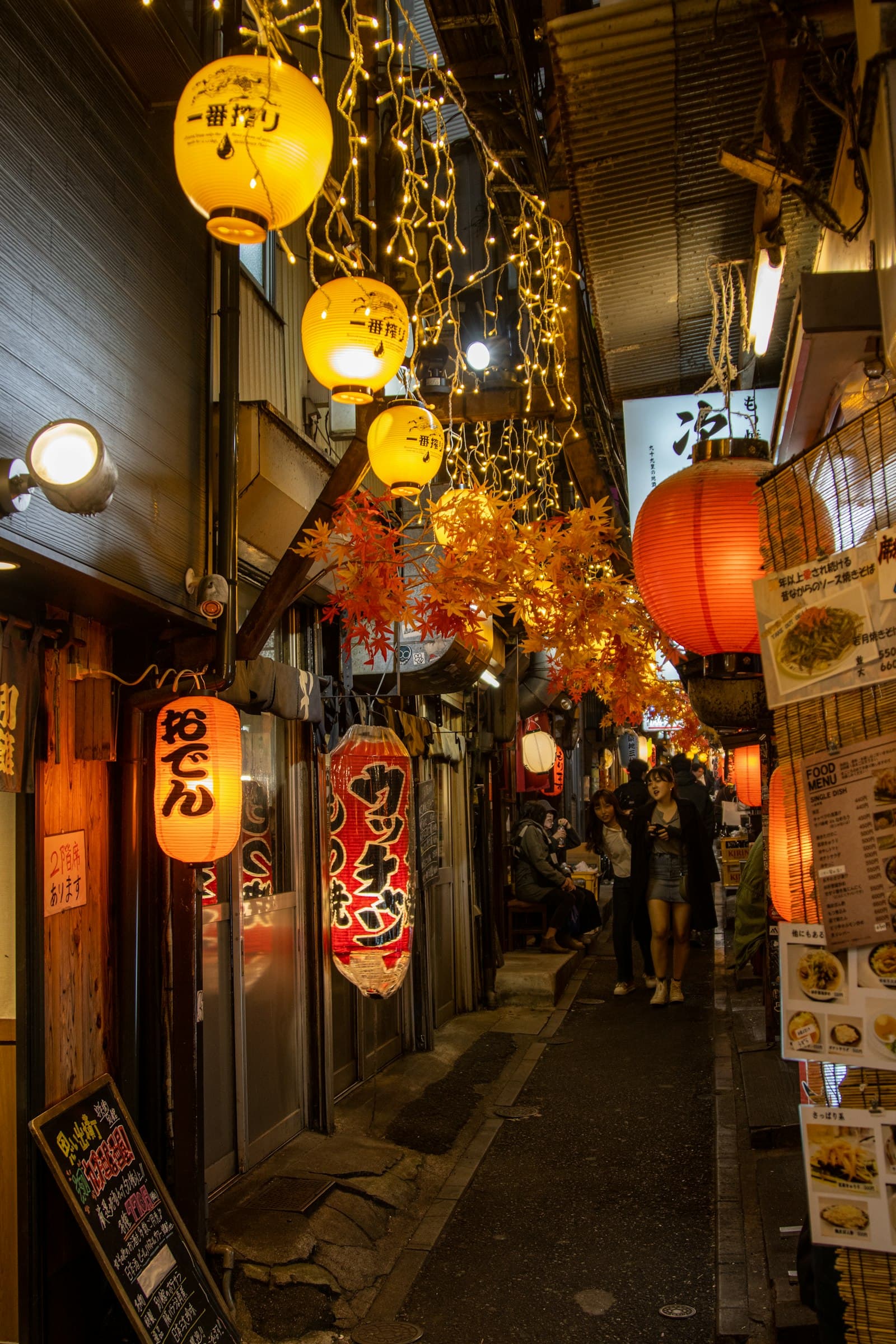
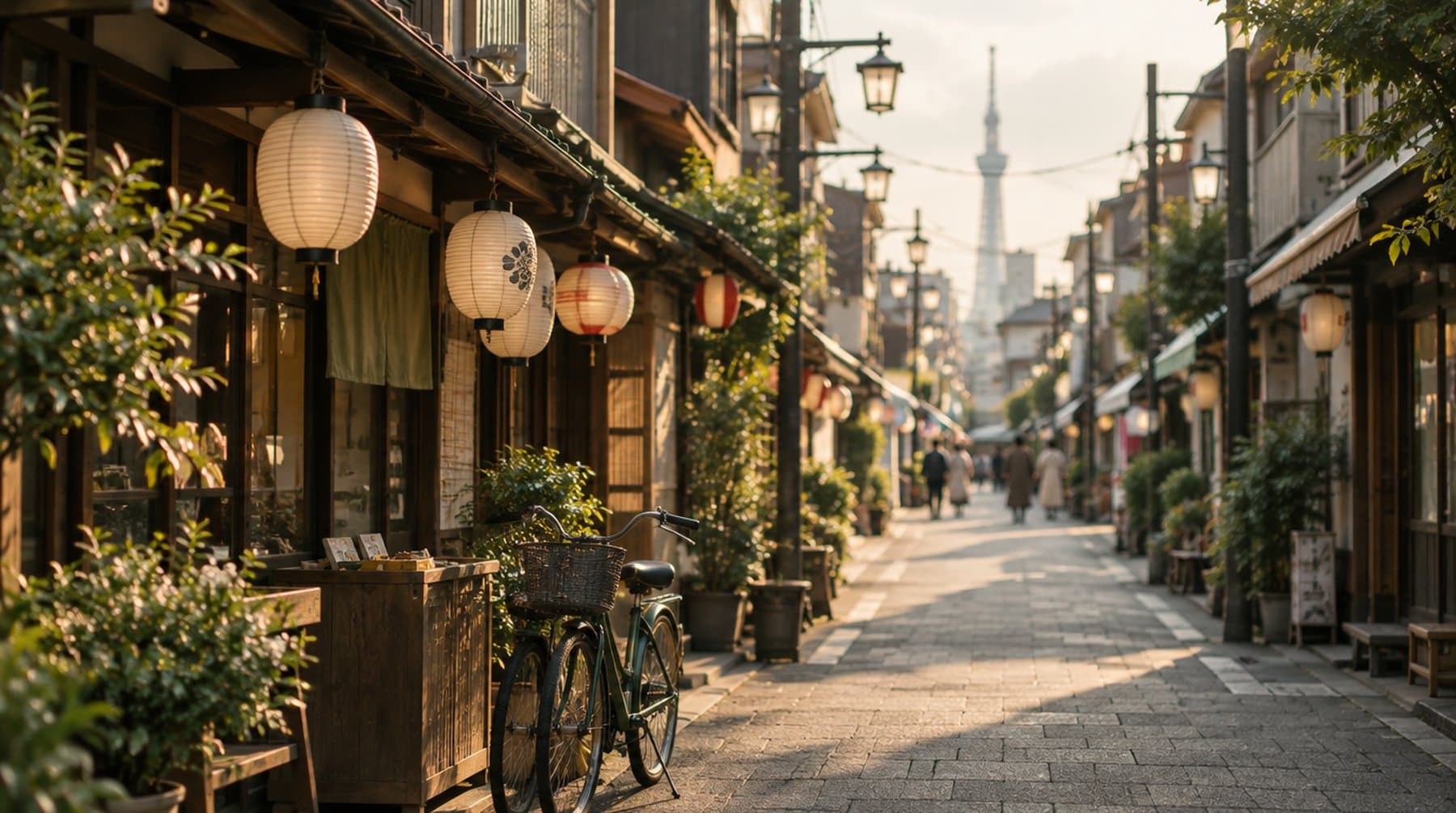
Two things worth knowing before you go looking. Kameari Park is real, a short walk from the north exit, but the police box in the manga's title is fiction: the ward says so itself on the same site, and the police box you can see near the north exit is simply the local one. And the statues are the excuse rather than the attraction. What you are actually here for is the Yu-Road shopping street, the ramen shops and izakaya and old coffee shops at neighbourhood prices, and Ario Kameari, the large mall by the station that solves rain, groceries and children's shoes in one stop. Check its hours on the mall's own site; they move with the season.
A half-day walking route through the old town
Start at the north exit, do the statues, eat on the shopping street, then walk out to the river: about three hours at a slow pace, and best begun in the late afternoon when the shops are busy and the light on the embankment is low. Everything below is walking distance except the last two rows, which are the extensions for a full day.
| Leg | Allow | What is there |
|---|---|---|
| North exit and Kameari Park | 15 min | The park the manga named, and the first of the statues |
| Statue hunt around the station | 30 to 60 min | Fifteen of them, both exits; pick up the map at the ticket-gate rack first |
| Yu-Road shopping street | 30 min | Where the neighbourhood shops; eat here, not near the station |
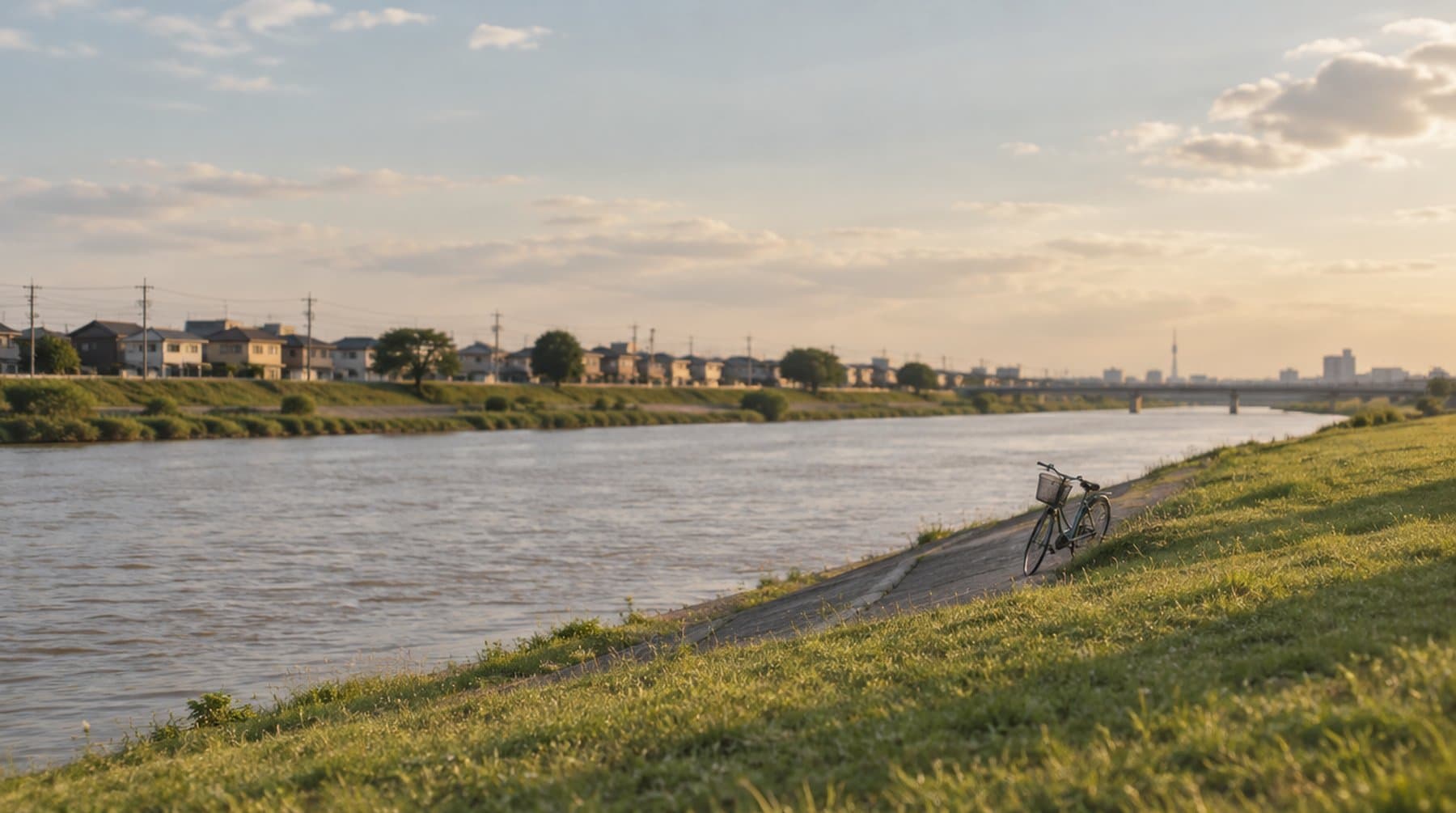
| Nakagawa river bank | 25 min each way | Roughly 800 m east of the station to the bridge in Kameari 2-chome, then grass and sky |
| Ario Kameari | as long as it rains | The indoor fallback, and the supermarket for breakfast |
| Extension: Shibamata | about 13 min each way | A temple approach of old shops, the most photographed shitamachi street in the ward |
| Extension: Mizumoto Park | about 21 min by bus | Tokyo's largest waterside park, worth it only in good weather |
What are the options for staying in Kameari?
Three, and they suit different trips: a whole house or apartment, a business hotel one or two stations away, or a monthly apartment if the stay runs past a fortnight. Kameari is residential, so the choice here leans towards homes rather than towards lobbies, which is an advantage for a family and a drawback if you want a front desk at 2am.
| Option | Suits | What to watch |
|---|---|---|
| Whole house or apartment | Families, groups, anyone cooking or doing laundry | Self check-in: nobody is at a desk, so read the arrival instructions before you fly |
| Business hotel near the line | One or two nights, solo travel, a late arrival | Rooms are small and there is no kitchen; breakfast is usually extra |
| Monthly apartment | Two weeks and longer | Cheaper per night, but check what counts as utilities (long stays in Tokyo) |
What should I check before booking a place in Katsushika?
The licence, the real walking distance and the bed breakdown, in that order. Any legal lodging in Japan sits in one of three licensing frameworks, and a listing that holds a permit under the Hotels and Inns Business Act usually prints the number: ours is 6葛保生環令第525号, issued by the Katsushika City Public Health Center, and it is on the property page. Our full explanation of the three frameworks and the 30-second check is in minpaku vs hotel in Japan.
Then the boring two. Walking distance to the station is often quoted from the building to the nearest corner, so look for a time quoted door to gate, and treat anything over ten minutes as a different neighbourhood in the rain. Capacity is not a bed count: a listing for ten can mean three real bedrooms plus a sofa bed, so read the room-by-room breakdown rather than the headline number.
Our house in Kameari, floor by floor
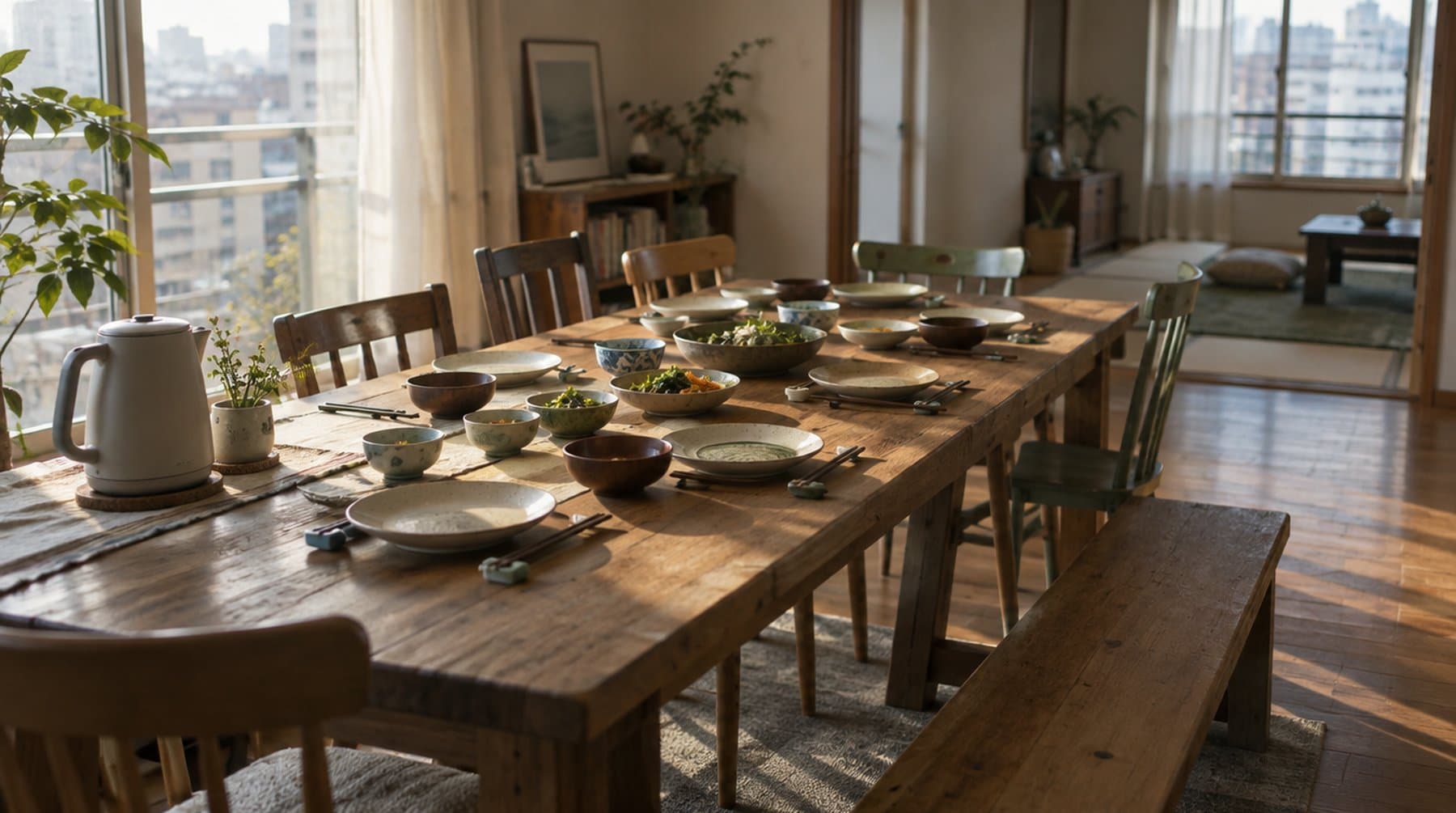
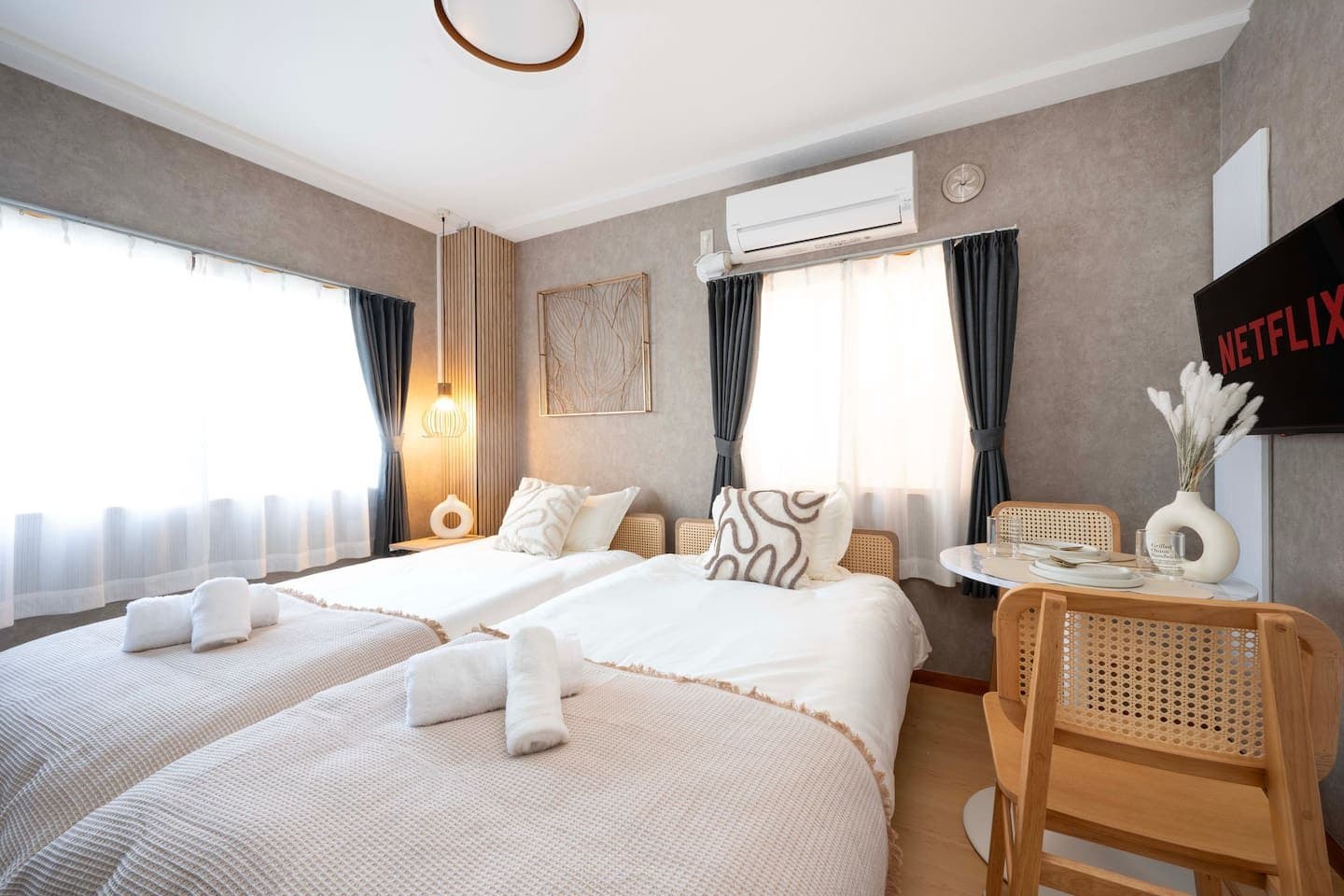
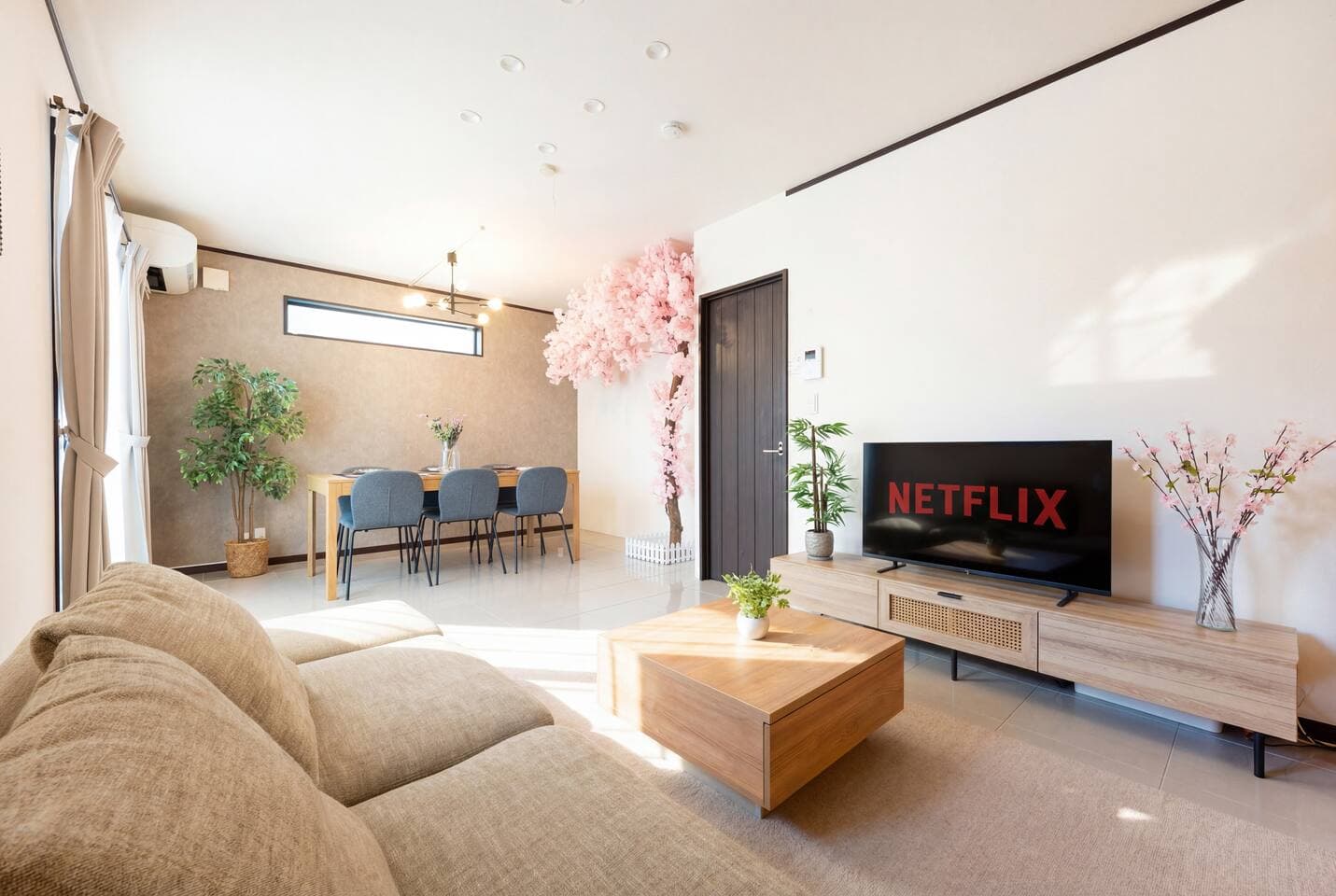
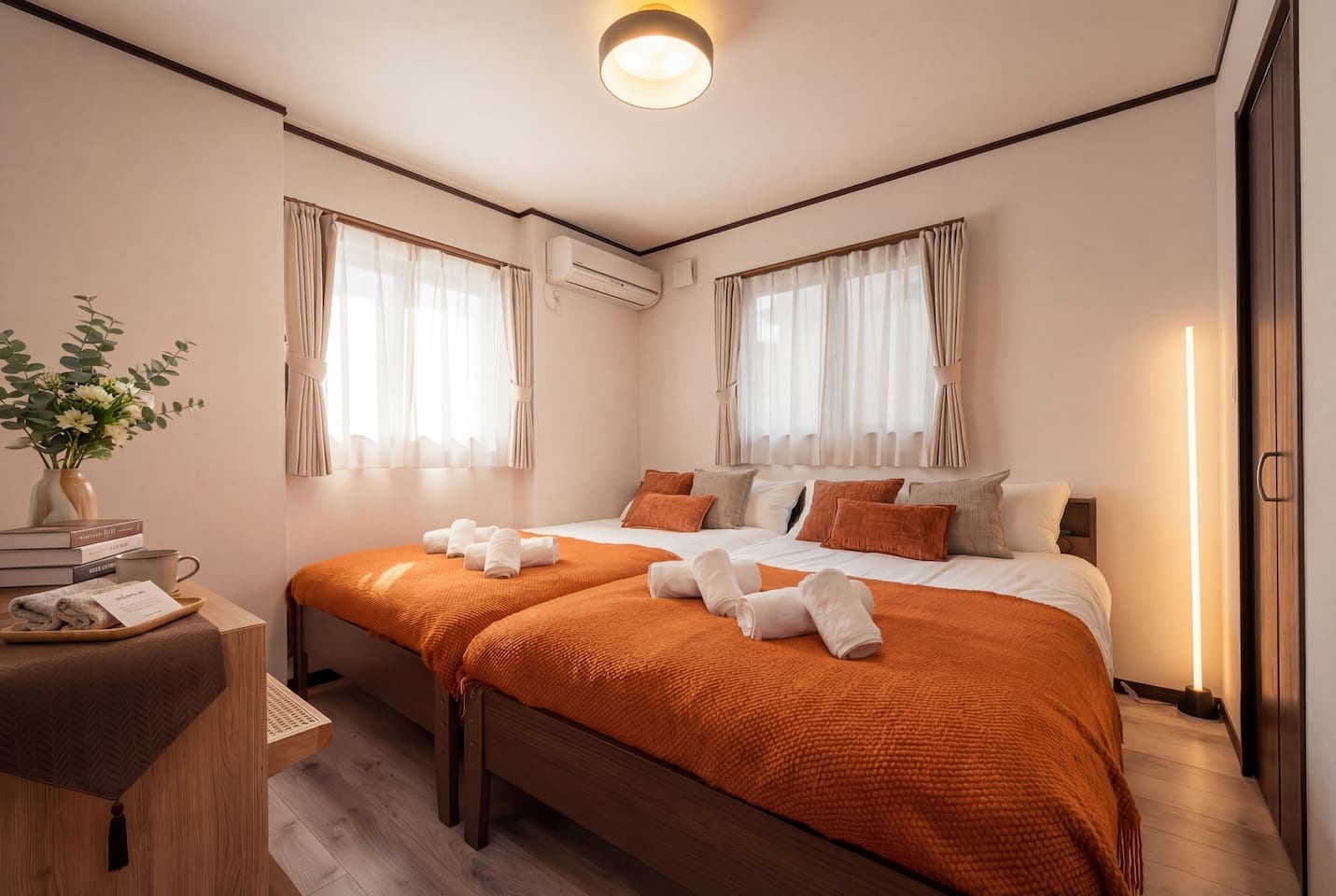
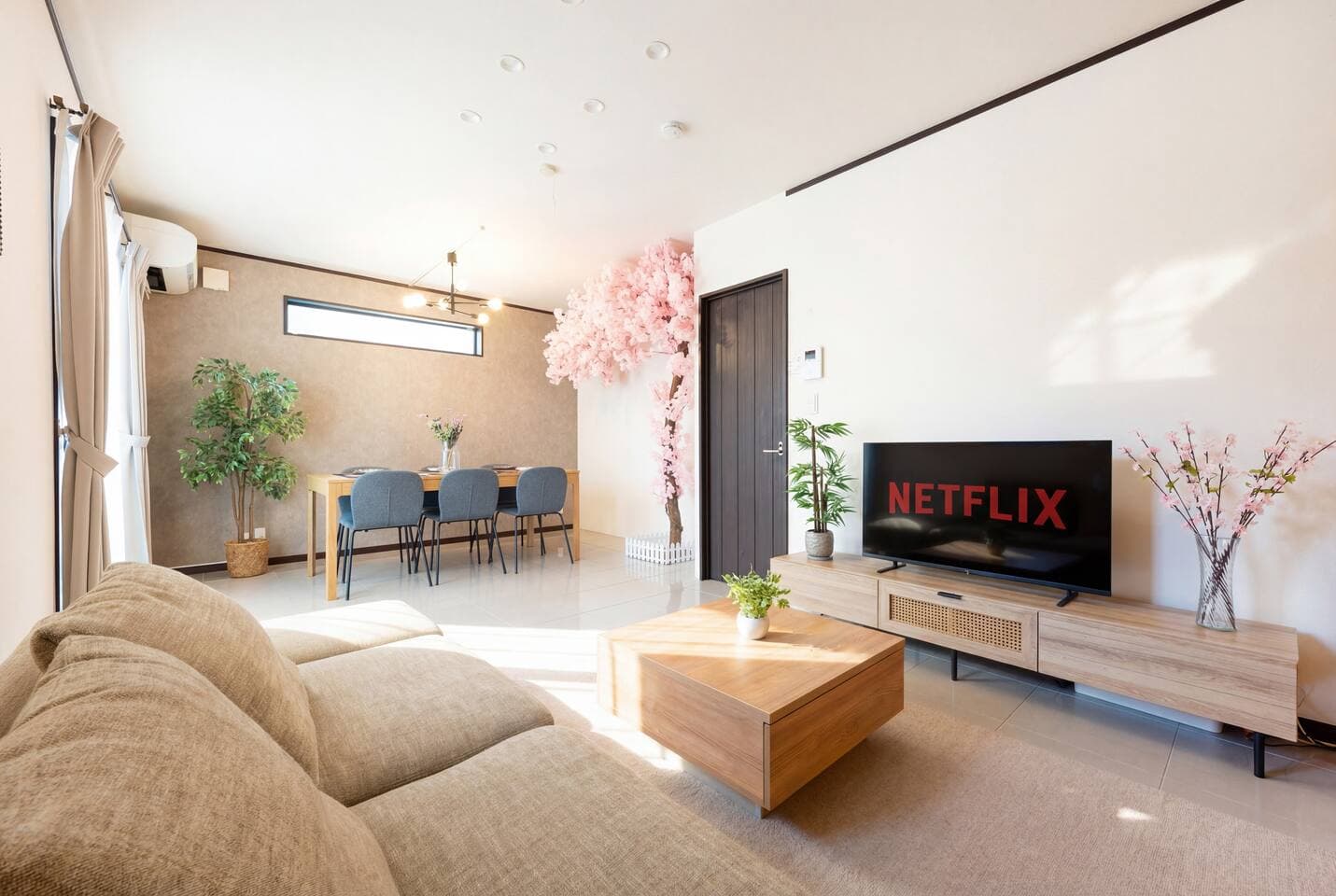
A two-floor house four minutes' walk from the station on the shopping street, bookable as two apartments or as one whole house. The ground floor (101) is stairs-free and sleeps up to 4; the upper floor (201) has three bedrooms and sleeps up to 10, with a crib, a high chair and free parking on the premises; the whole house has four bedrooms, one and a half bathrooms, and sleeps up to 14, which is unusual capacity in Tokyo. Every unit has a kitchen or kitchenette, a washer, a dryer, a bathtub and fast Wi-Fi. Check-in is from 16:00; check-out is 11:00 for the ground floor and the whole house, 10:00 for the upper floor.
What guests say is the honest measure here: 4.89 from 46 reviews for the ground floor and 4.82 from 56 for the upper floor (our listing data, synced 10 October 2026), against 4.9 across 398 reviews for all six of our rooms. Our Tokyo rooms ran at 85.0% occupancy over the twelve months to September 2026 and the median booking arrives 42 days ahead (our operating data), so for a specific week in Kameari, six weeks out is not early. Travelling with children? The Tokyo family apartment guide walks this house room by room, and Japan with a baby covers what a room needs with an infant.
See the Kameari houseWho should not stay in Kameari?
Anyone whose trip is a list of landmarks, and anyone who wants the city to still be awake at midnight. Shibuya and Shinjuku are 40 minutes and a transfer away, which is fine once a day and tiring twice. The shopping street winds down early, the restaurants are small, some of them take cash only, and English menus are not a given: a translation app and a few thousand yen in notes solve most evenings.
The other thing to plan is the last train. The Joban Line local is the only rail link, so check your own return in a route app rather than trusting a figure read in advance, and if you are landing late at Haneda, read getting to your room after the last train before you book the flight.
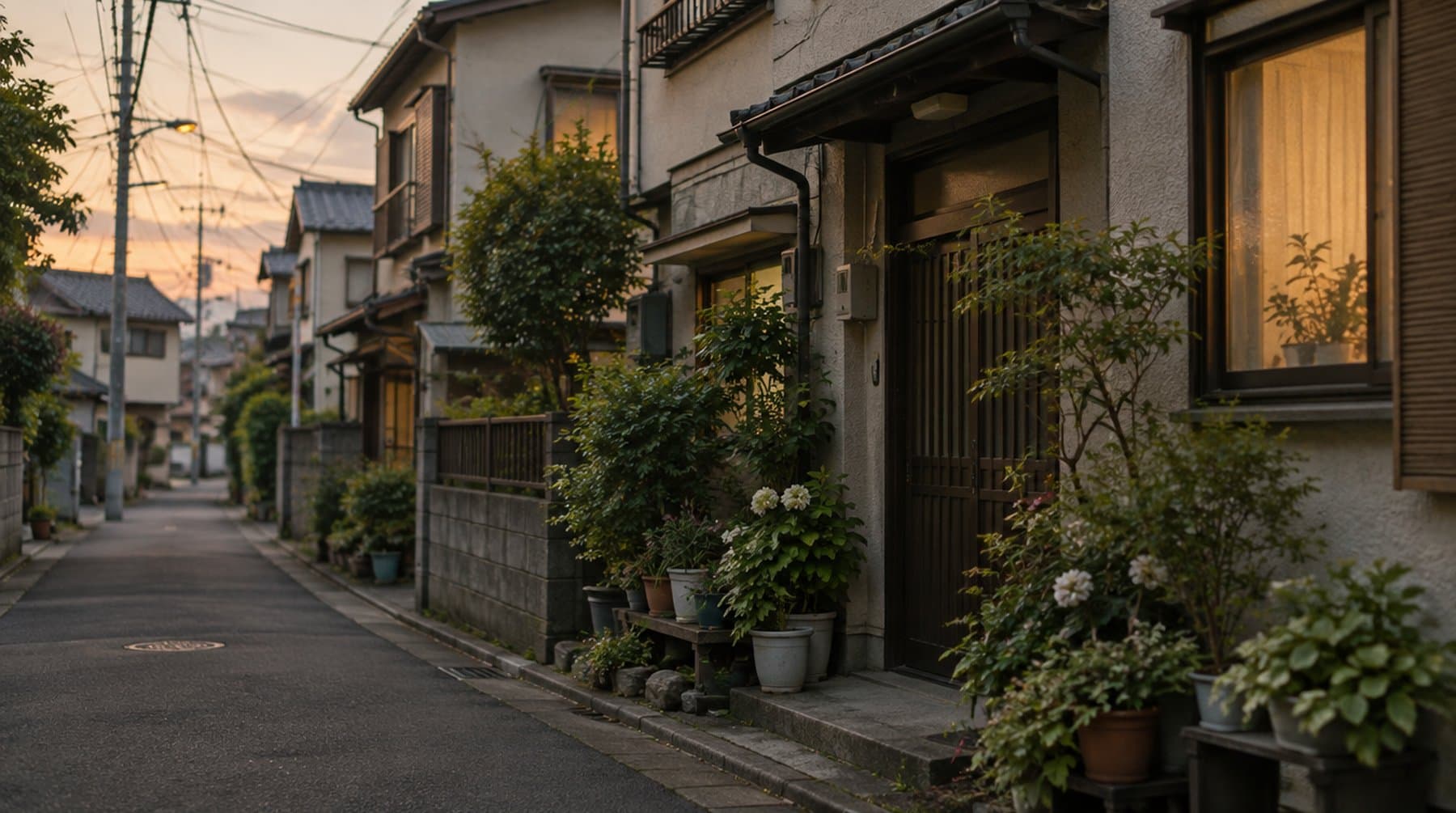
This is a low-lying ward: what does that mean for a visitor?
That the ward publishes a flood hazard map and you can look your address up on it, which is the whole answer for a stay of a few nights. Katsushika sits between the Arakawa, Nakagawa and Edogawa rivers, and the ward's flood hazard map (March 2025 edition) comes with a multilingual explanatory volume covering how to get warnings and where to go; the Tokyo metropolitan government publishes the inundation forecast maps behind it.
Practically, for a visitor in typhoon season, which runs from summer into early autumn: watch the forecast a day or two out and move your plans rather than your dates, save the nearest evacuation site to your map app when you arrive, and remember that JR announces planned suspensions in advance, so a storm is a scheduling problem rather than a surprise.