
Minpaku (民泊) is the Japanese word for staying in a home or apartment instead of a hotel, and the practical difference is the license, not the label. Every legal vacation rental in Japan operates under one of three frameworks: the Hotels and Inns Business Act, the Private Lodging Business Act (the "minpaku law"), or the special-zone minpaku system. Which one a property holds decides how many nights a year it may host, what rules apply to your check-in, and how easy it is to verify the operator. Our apartments in Tokyo and Sapporo are licensed under the Hotels and Inns Business Act, the same law that covers hotels and ryokan, so they host guests year-round with no night cap. Here is how the three categories differ, where we sit, and how to check any listing before you pay.
The three legal frameworks
- Hotels and Inns Business Act (旅館業法): the full lodging permit that covers hotels, ryokan, and simple lodging (簡易宿所). Issued by the local public health center after an inspection, with no limit on operating days. This is our category.
- Private Lodging Business Act (住宅宿泊事業法, 2018): the "minpaku law" most people mean. It works by notification rather than permit and caps hosting at 180 nights per year, which is why many such listings block half the calendar.
- Special-zone minpaku (特区民泊): allowed only in designated national strategy zones, such as Tokyo's Ota ward, and requires a minimum stay of two nights.
Where All Good Stay sits
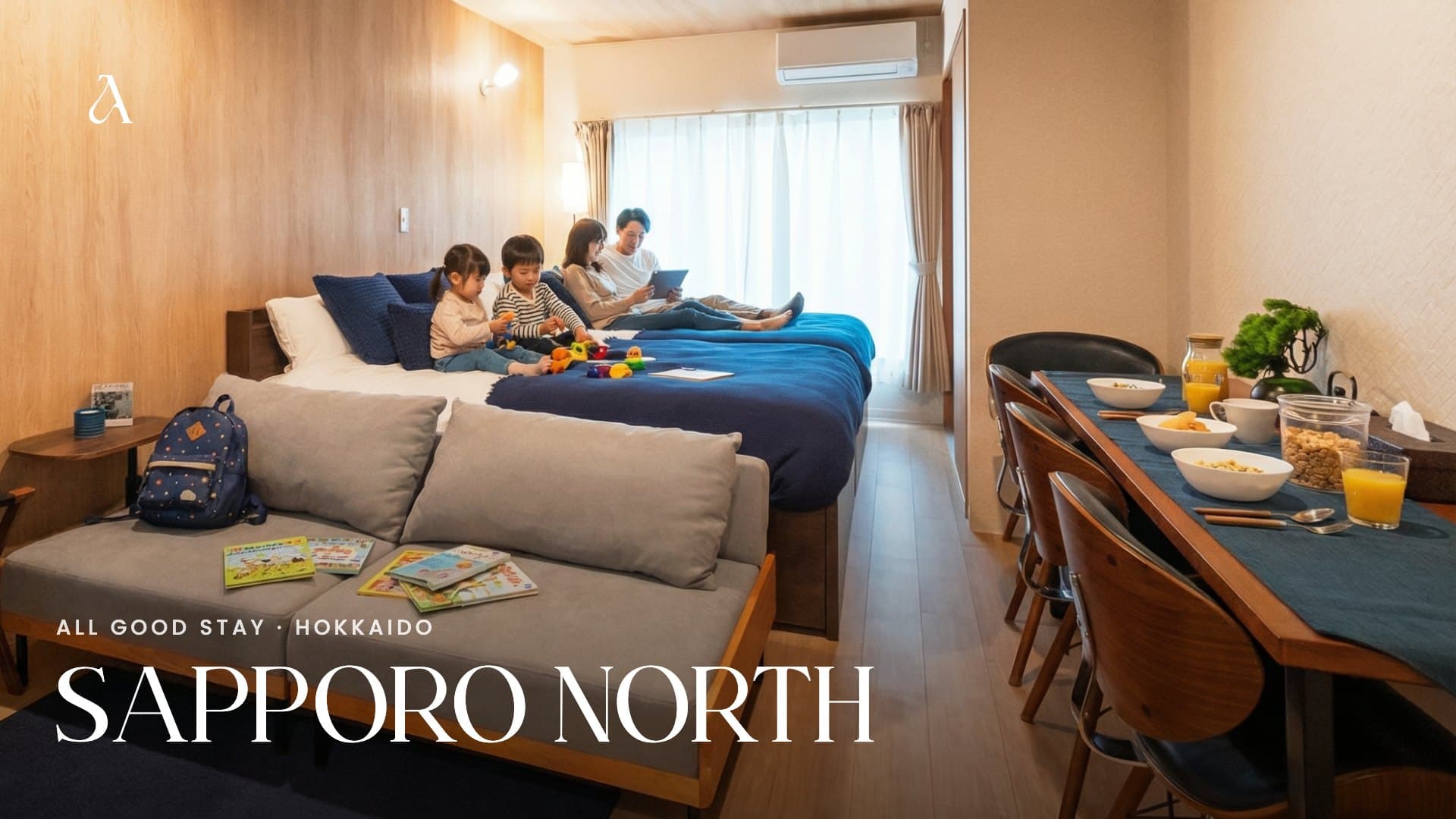
All Good Stay runs licensed simple-lodging (簡易宿所) apartments under the Hotels and Inns Business Act, and the permit numbers are public on every property page: HEIWAJIMA 保生環第0473号 (Ota City Public Health Center), KAMEARI 6葛保生環令第525号 (Katsushika City Public Health Center), and SAPPORO NORTH 札保生許可(旅)第64号 (Sapporo City Health and Welfare Bureau). Because this is the same legal category as a hotel, there is no 180-night cap, the apartments operate year-round, and your stay is subject to the same accommodation tax hotels charge.
The license also shapes small parts of your stay. Japanese law requires every lodging operator to keep a guest register, so we ask all guests to register their names, with a passport copy from non-Japanese guests who live outside Japan. A property that never asks is a property skipping its legal obligations, which is worth noticing before you hand over payment.
Apartment or hotel: how to actually choose
- Choose a hotel for a one-night stop, daily housekeeping, and a staffed front desk at any hour.
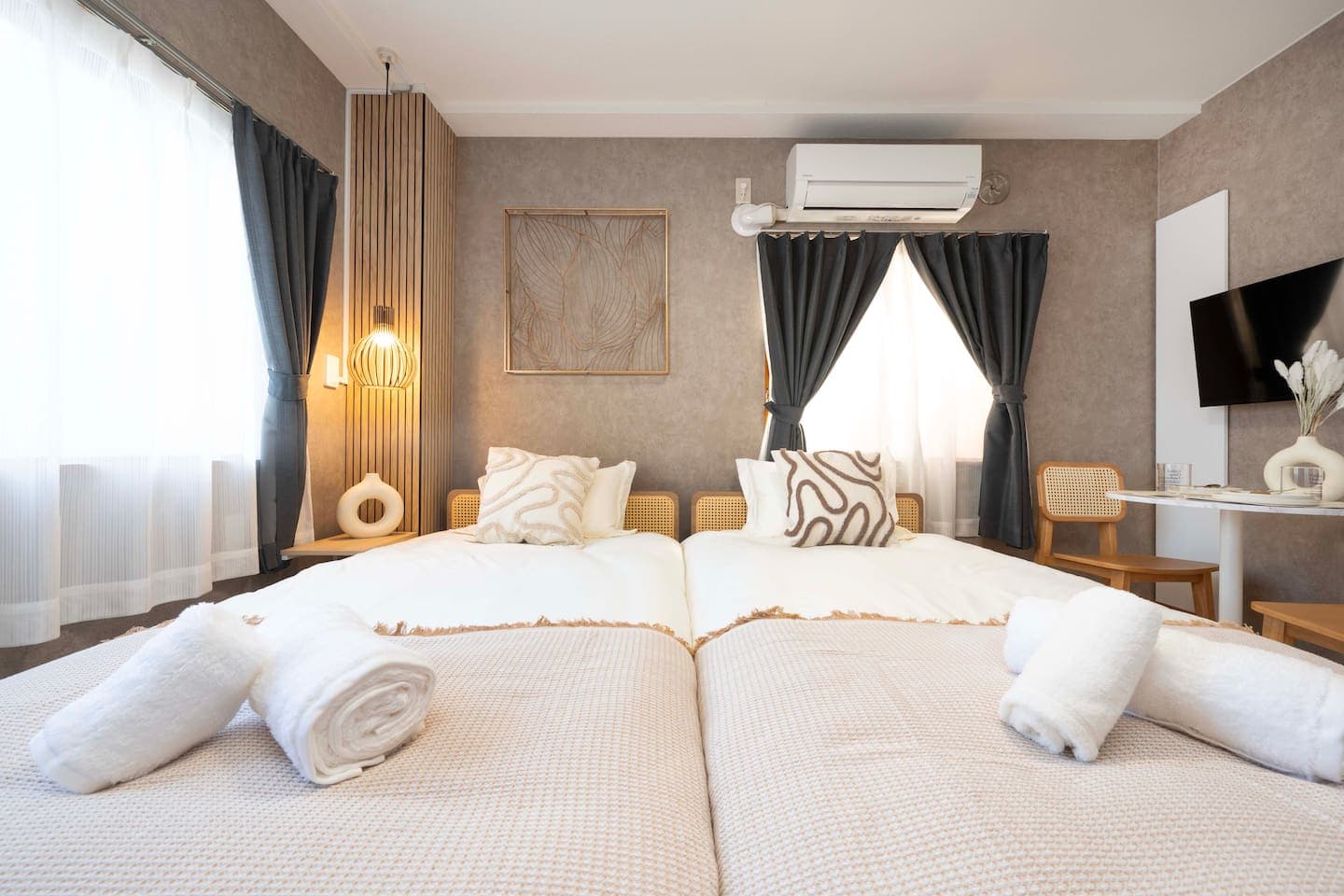
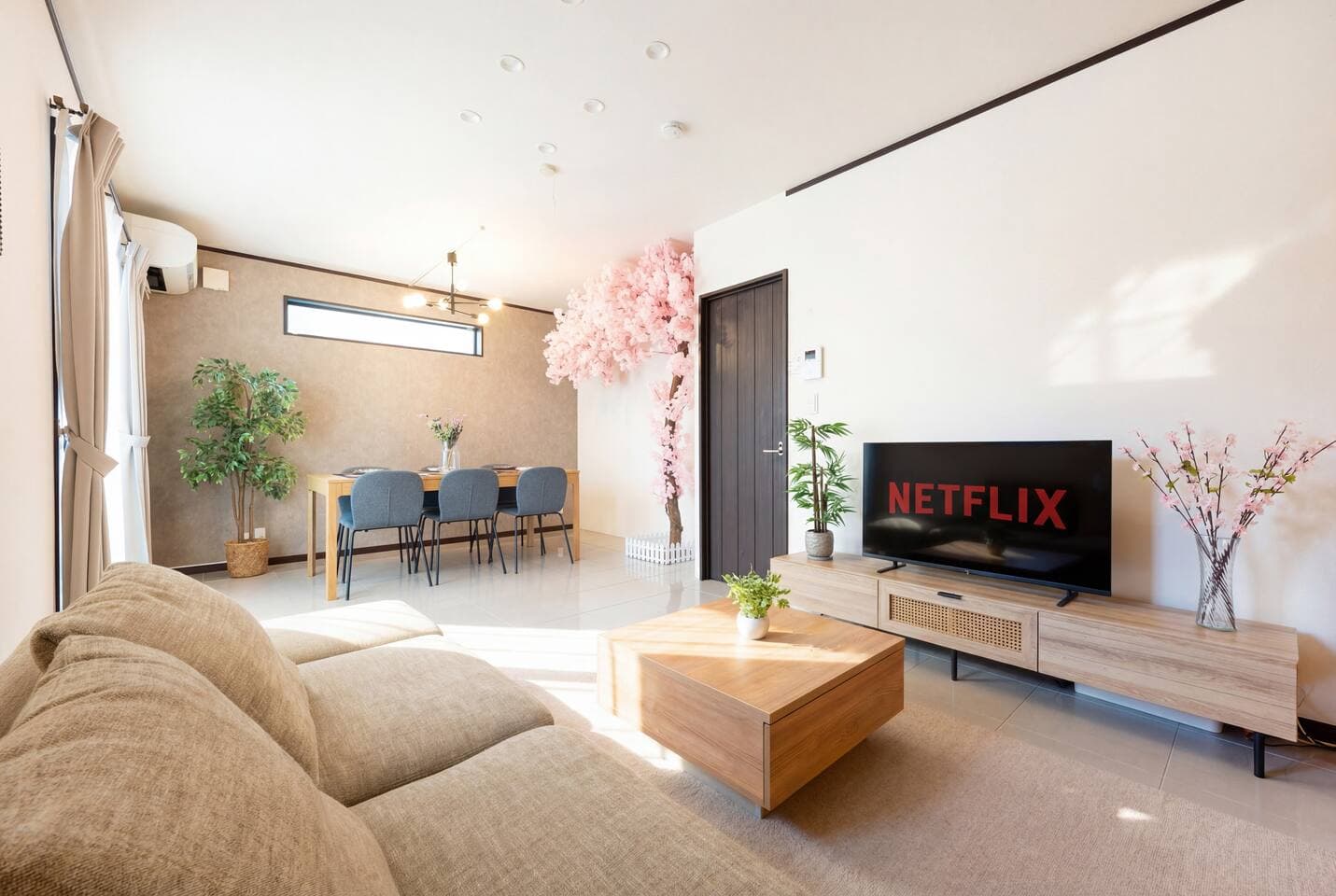
- Choose a licensed apartment when space does the work: separate bedrooms for a family or group, a kitchen that replaces one restaurant bill a day, and your own washer and dryer.
- Know the trade-offs with us: self check-in from 16:00 instead of a lobby, no daily cleaning, and quiet hours in residential buildings, the honest price of having a whole home.
- For a week or longer, the per-night math usually favors the apartment, and booking direct removes the platform service fee on top.
How to check any listing in 30 seconds
- Look for the license or notification number on the listing. Booking platforms in Japan have required one on every listing since June 2018; no number is a red flag.
- 旅館業 permits are issued by the local public health center and look like ours above; minpaku-law notifications look like 東京都知事(届出)第xxxx号.
- On a direct-booking site, check for the operator's legal name, address, and phone. Ours are in the footer of every page, with the tokushoho disclosure linked beside them.