
Yes, you still need some cash in Japan, but not much: a card and a transit IC card cover most of a trip, and a small amount of yen covers the rest. We run six licensed apartments in Tokyo and Sapporo, and guests ask us this every week. Below is what we tell them, with outside facts checked on official sites on 7 November 2026.
How cashless is Japan now?
More than the old reputation suggests. Japan's Ministry of Economy, Trade and Industry put the cashless share of payments at 58.0% for 2025, in figures published on 31 March 2026. That is a new domestic measure; on the older measure used for international comparison the figure is 46.3%. Either way, cash is still part of everyday payments here.
The Japan National Tourism Organization says cards of international brands are generally accepted across the country, and also warns that shops may not display the marks of the cards they take. So look for a reader, or simply ask before you order.
| Where | Card or phone | Bring cash? |
|---|---|---|
| Convenience stores, supermarkets | Usually yes | No |
| Chain restaurants, department stores | Usually yes | No |
| JR and subway gates | IC card | Only to top up |
| Small family restaurants | It varies | Yes |
| Older ramen ticket machines | Often not | Yes |
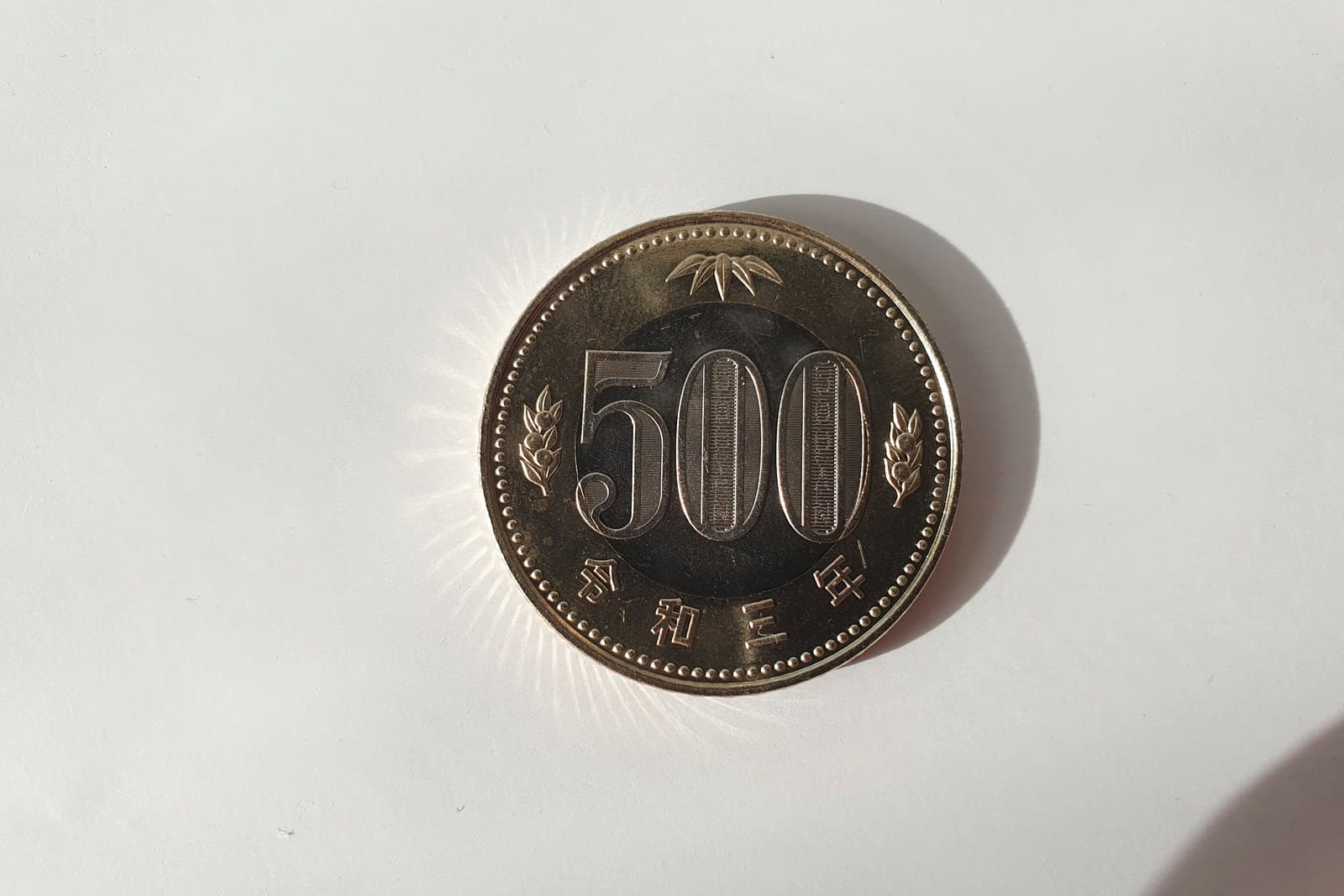
| Coin laundries | Some | ¥100 coins |
| Shrine offerings, festival stalls | Rarely | Yes |
Where do cards and phones just work?
Anywhere with a chain name over the door. Convenience stores, supermarkets, department stores, big electronics shops and chain restaurants generally take cards, and many take contactless payment and IC cards too. The supermarket closest to our Kameari house takes cards, transit IC cards, PayPay, WeChat Pay and Alipay+, which is typical of a larger shop in Tokyo now.
PayPay is a Japanese QR code app and you will see its sign everywhere. Whether it, or a wallet from home, works for you depends on the app, so treat it as a bonus and do not plan around it.
Where do you still need cash?
Small, old or unstaffed places are where cash lives. None of this should worry you, but it helps to know before you are at the counter.
- Small family restaurants and counter bars, above all the well-loved ones.
- Older ticket machines at ramen shops, where you pay before you sit down.
- Coin laundries: machines take ¥100 coins, and some shops also take a prepaid card or phone payment.
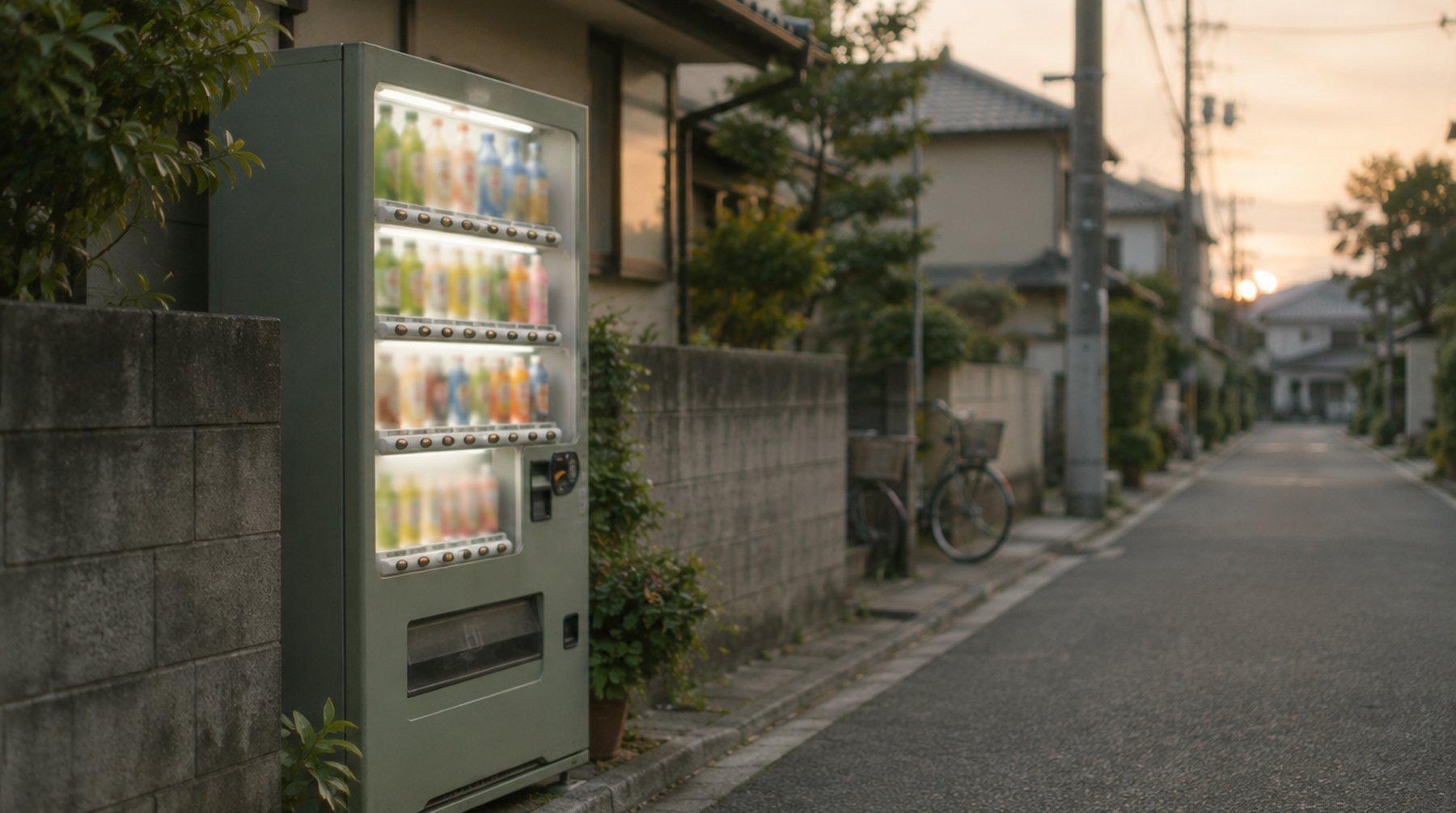
- Older vending machines, though many now take an IC card.
- Shrine and temple offerings, small stalls at festivals, and farm stands such as the orchards around Sapporo.
- Some rural buses and small railways. PASMO itself notes that IC cards are not accepted on every network in Japan.
What does a Suica or other IC card cover?
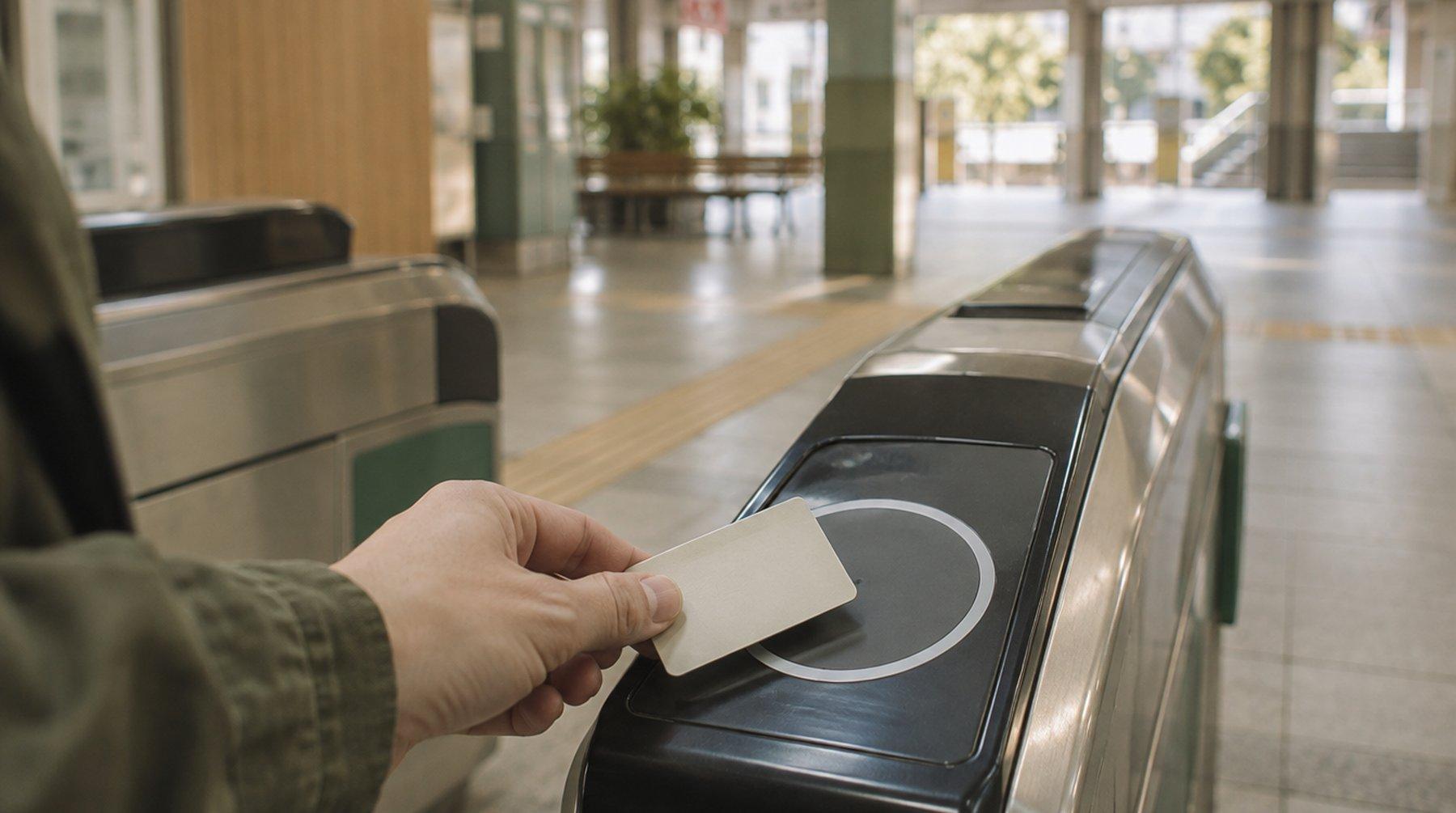
A transit IC card is a rechargeable card, or a card in your phone, that you tap to pay for trains, buses and small purchases. It is the most useful payment tool on a trip, because JNTO notes that a credit card cannot always be used for short train and subway fares. Suica, PASMO, Kitaca and ICOCA are the names you will see, and in day-to-day use they do the same job.
Visitors have three common ways to get one. Welcome Suica Mobile is JR East's app for iPhone and Apple Watch, topped up through the card registered to Apple Pay. The Welcome Suica card is a visitor card sold at Haneda and Narita; as described in 2026 travel guides it has no deposit, a limited period of use and no refund of unused balance. A regular Suica or PASMO comes from station machines, reportedly with a ¥500 deposit. We could not open JR East's own pages for this article, so confirm the terms there before you rely on them.
Is it different in Tokyo and Sapporo?
Mostly no, with one useful exception. A Suica or PASMO from Tokyo works in Sapporo: the city's transport bureau lists Kitaca, Suica, PASMO, ICOCA and others for the subway, trams, JR Hokkaido Bus, Jotetsu and Hokkaido Chuo Bus. The exception is the day ticket. The one-day subway ticket (¥830) and the weekend Donichika ticket (¥520) are cash only, so keep some notes if you plan to buy one.
Neighbourhood matters more than city. In the guest manuals for our buildings we mark the places nearby that take cash only. As of 7 November 2026 that is five places around Kameari, an old town district of Tokyo, and seven around our Sapporo apartments, including some of the best small kitchens. None are marked around Heiwajima. Our guide to Kameari has more on that side of town.
Where do you get yen with a foreign card?
Use a convenience store or post office ATM. JNTO names Japan Post Bank and Seven Bank for withdrawing cash, and Seven Bank machines, inside 7-Eleven stores, run 365 days a year. Ordinary bank machines are less dependable for overseas cards, so go to these first.
Each network has its own limits, with ¥30,000 at Seven Bank on a magnetic-stripe card, and some cards with these marks may still be refused, so carry a second card if you can. Fees vary by card brand and your own bank may add one, so check with your bank before you travel. The Seven Bank machine may offer to convert the amount to your home currency on Visa and Mastercard; read the rate on the screen before you accept.
| ATM | Overseas cards | Limit per withdrawal |
|---|---|---|
| Seven Bank | Visa, Mastercard, Amex, JCB, UnionPay and more | ¥100,000 |
| Japan Post Bank | Visa, Mastercard, JCB, UnionPay and more | ¥50,000 |
How much cash should you carry?
Our rule of thumb is about ¥10,000 per adult for a week, topped up when it runs low. It is a habit rather than a calculation: enough for a few small dinners, some coins and an emergency taxi, and little enough that you will not worry about it. A few thousand yen is fine for a short city stay.
Keep it broken down. Some ticket machines and small shops are not happy with a ¥10,000 note, so buy something small at a convenience store to get ¥1,000 notes and ¥100 coins. Keeping it apart from your cards is a small extra comfort.
Do you need cash at the apartment?
Very little of a stay with us depends on cash. The ATMs are close: a 7-Eleven with a Seven Bank machine is two minutes from our Kameari house and from our Sapporo apartments, and a 24-hour convenience store with an ATM for overseas cards is two minutes from HEIWAJIMA. Every room has a washer, so you can skip the coin laundry and its ¥100 coins.
One item is separate from your booking total: the accommodation tax in Tokyo and Sapporo, which is settled at check-in. Ask us how it applies to your booking and we will tell you before you arrive. If you are still comparing places to stay, our guide to minpaku and hotels explains what the licence means.
See our apartments