
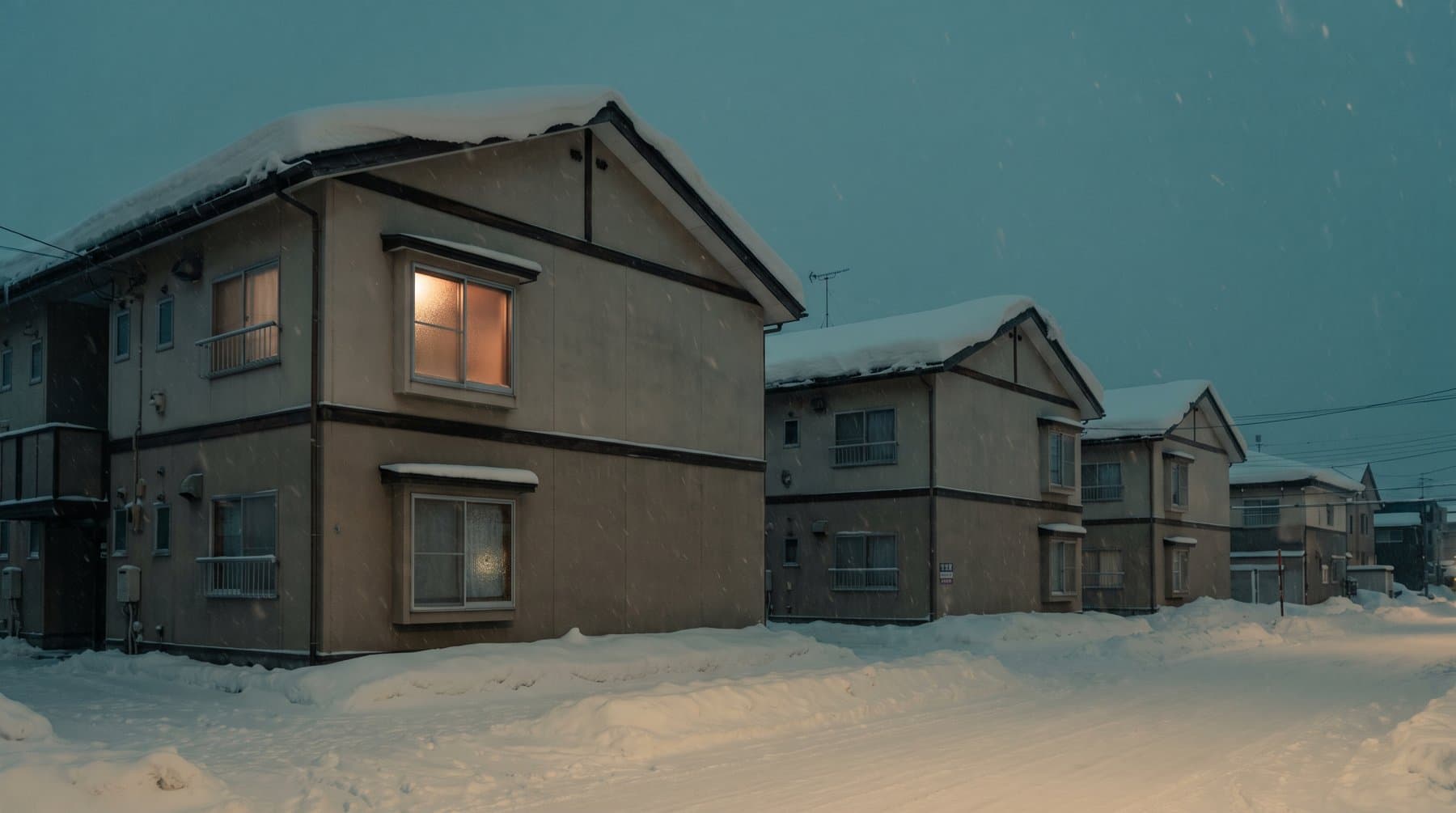
We run three apartments (SAPPORO NORTH) in Sapporo's Kita ward, four minutes on foot from a Namboku-line subway station and two stops from Sapporo Station. This is written for owners with a property in Sapporo, or thinking about buying one.
The short version: Sapporo has thinner competition than Tokyo and a better ratio of nightly rate to property price. In exchange, demand swings hard with the seasons and winter carries operating costs Tokyo never sees. Know both sides and it is a solid market.
Demand has two peaks, and winter is the main one
The big season is winter: December through February, the Snow Festival in early February, skiing (Teine in under an hour, and the city as a base for Kiroro, Rusutsu and Niseko), and guests from Southeast Asia coming to see snow at all. The second peak is summer — festivals, beer gardens, escape from the heat. April–May and October–November are quiet.
Budgeting around that trough is the single most important calculation in Sapporo. An annual-average occupancy estimate will disappoint you every spring and autumn, on schedule.
The guest mix differs from Tokyo too: for us, Southeast Asia and Korea in winter, the whole world during the festival, domestic plus Taiwan and Hong Kong in summer. English-language operation is not optional; its absence goes straight into reviews.
Licensing, locally
The frameworks are national — the hotel-business permit with no cap on nights, or the 180-night notification — and in Sapporo the permit runs through the city health authorities and fire department. Our SAPPORO NORTH holds the permit (札保生許可(旅)第64号, published on our company page).
The process is the one in getting the permit, and the order is the same here: consultations first, interiors after. The one Sapporo-specific piece of timing advice: aim to finish licensing in summer and launch in autumn, so your first season is the December peak rather than the April trough.
Snow costs, which Tokyo-centric guides omit
- Snow clearing: the entrance and path guests walk is a separate job from cleaning, and on snowfall days it is a daily one. Decide before launch who does it — a contractor, or a cleaning team contracted with snow included
- Heating: November-to-March utilities run at more than double summer's. Central heating versus per-room units changes both the bill and the guest experience
- Freeze management: an empty apartment in January needs its pipes drained or minimal heat maintained. Learn this after a burst pipe and the repair eats the winter's profit
- Winter guest notes: most guests have never walked on ice. Directions from the station, footwear, how the heating works. A winter edition of your guide message eliminates most midnight 'heating is broken' calls
What wins in Sapporo
You do not need a spot on the tourist map. Our Kita-ward apartments sit in an ordinary residential street, and the four-minute subway ride comes back to us in reviews as 'quiet, and everywhere in minutes'. Property prices sit well below the centre while nightly rates fall much less — that gap is Sapporo's whole appeal.
- Within five minutes of a subway station: every metre through snow feels like two, and station distance is worth more here than in Tokyo
- A line that reaches Sapporo, Odori and Susukino without transfers
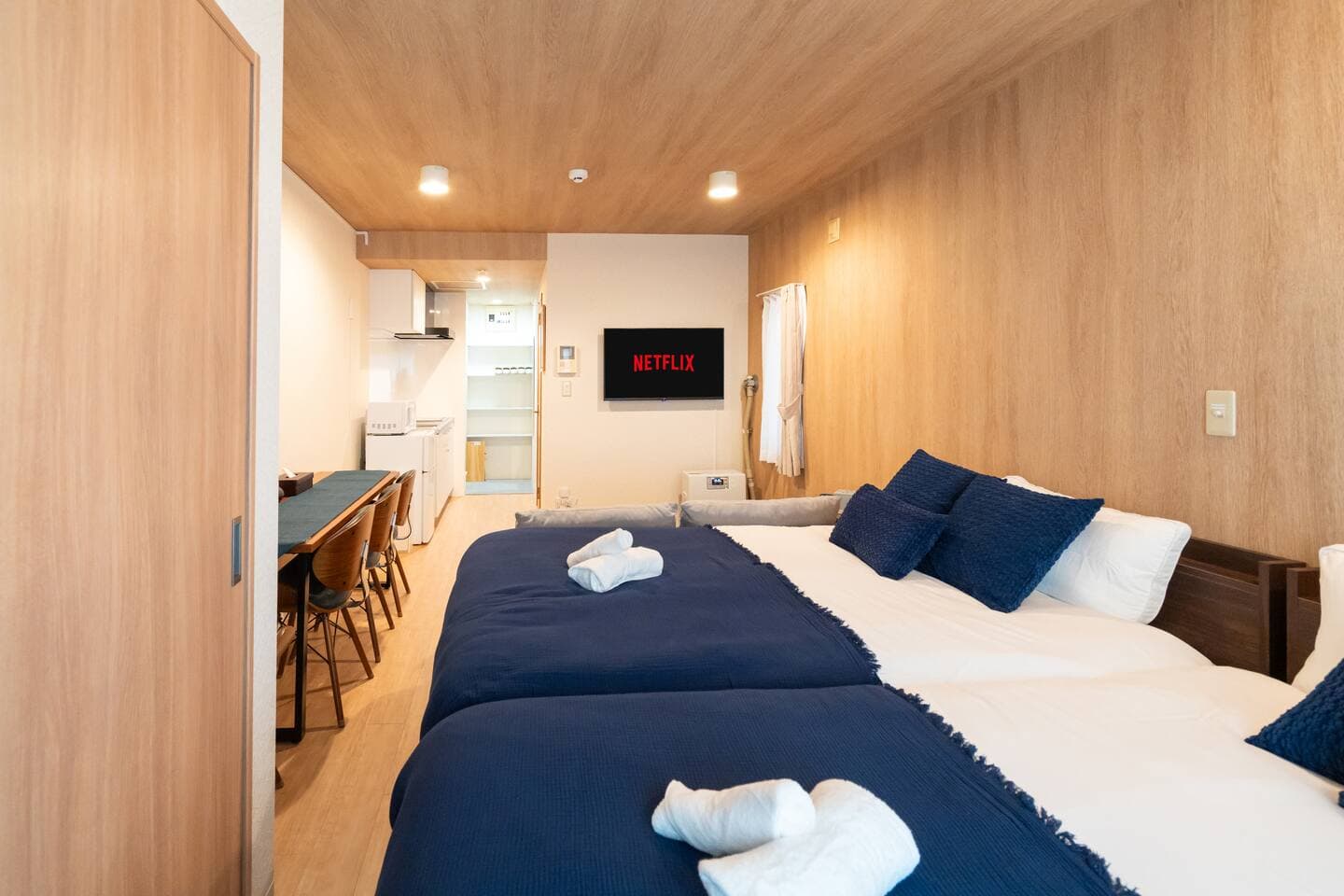
- Sleeps four or more, with a full kitchen: families and ski groups are the core guests
- A washer-dryer, which earns review mentions in both the wet winter and the active summer
Where we fit
Sapporo is one of the two cities where we keep our own apartments, cleaning teams and snow arrangements. If you own a property here, we will put a free number on what it should earn; if you are still choosing one to buy, we can tell you which candidates have the right bones.
Ask about a Sapporo property