
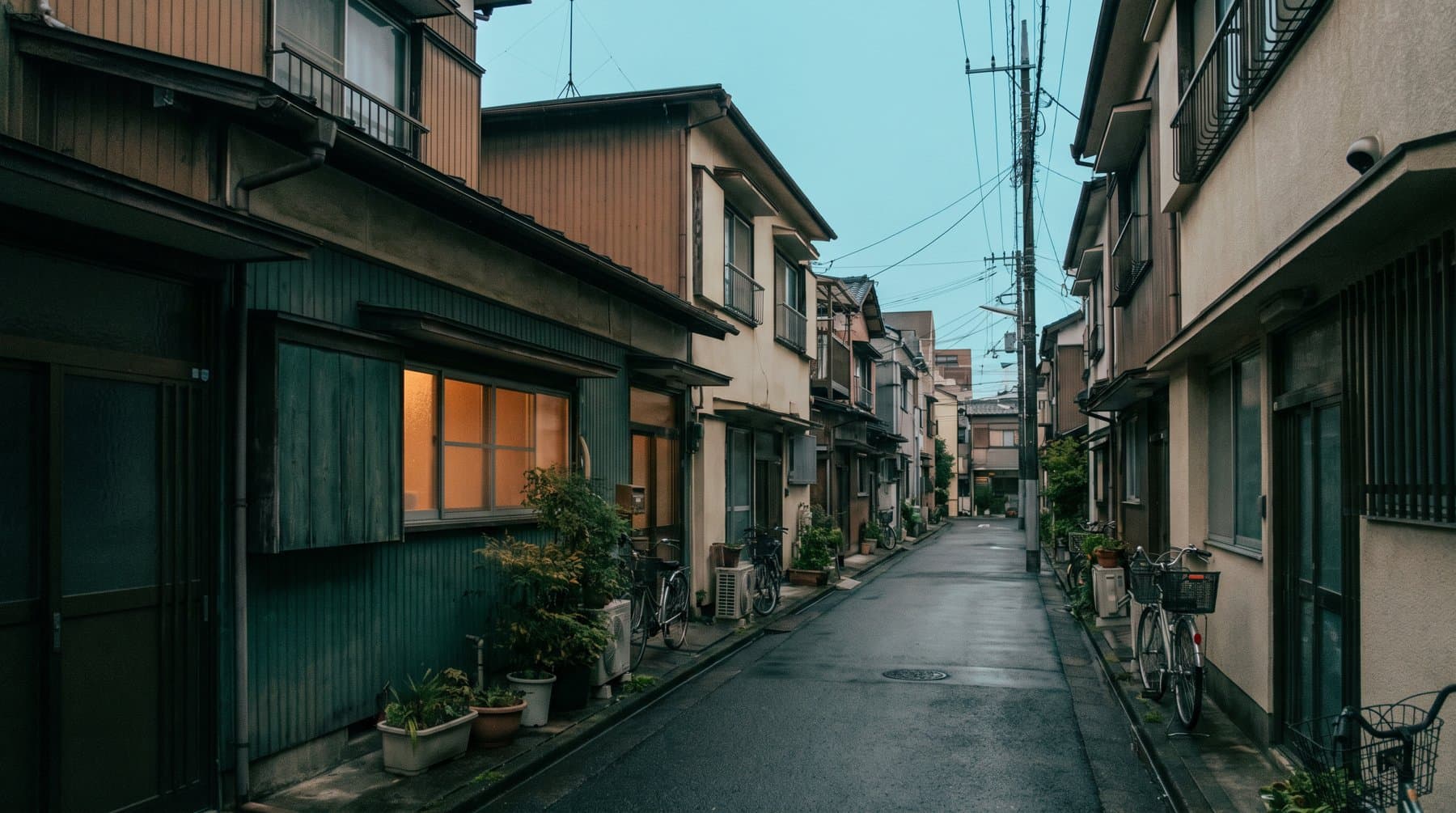
The national notification framework (民泊新法) lets each ward add restrictions by ordinance, and the wards use it: the same property conditions can mean different sellable days, even different sellable weekdays, one ward over. We hold hotel-business permits in Ota and Katsushika and run those apartments today.
This article deliberately is not a table of 23 wards' rules — any such table starts rotting on publication. It teaches the overlay patterns and the checking order instead, which stay true as ordinances change.
The overlay patterns
The key structural fact: overlays bind the notification route. A property operating under the hotel-business permit is outside both the 180-night cap and the weekday limits — but inside zoning law, which bars the permit from residential-only zones. So Tokyo in practice becomes a two-route city: the permit in commercial and semi-industrial zonings, or the notification plus ward overlays in residential ones.
- Weekday limits: in residential zonings, operation confined to weekends and holiday eves — which quietly removes business-travel demand and shrinks the 180-night cap further in practice
- Area and period limits around schools and designated districts
- Procedural overlays: mandatory neighbour briefings, signage, a complaints contact
- Some wards add almost nothing and run the framework as written
Ota's third route
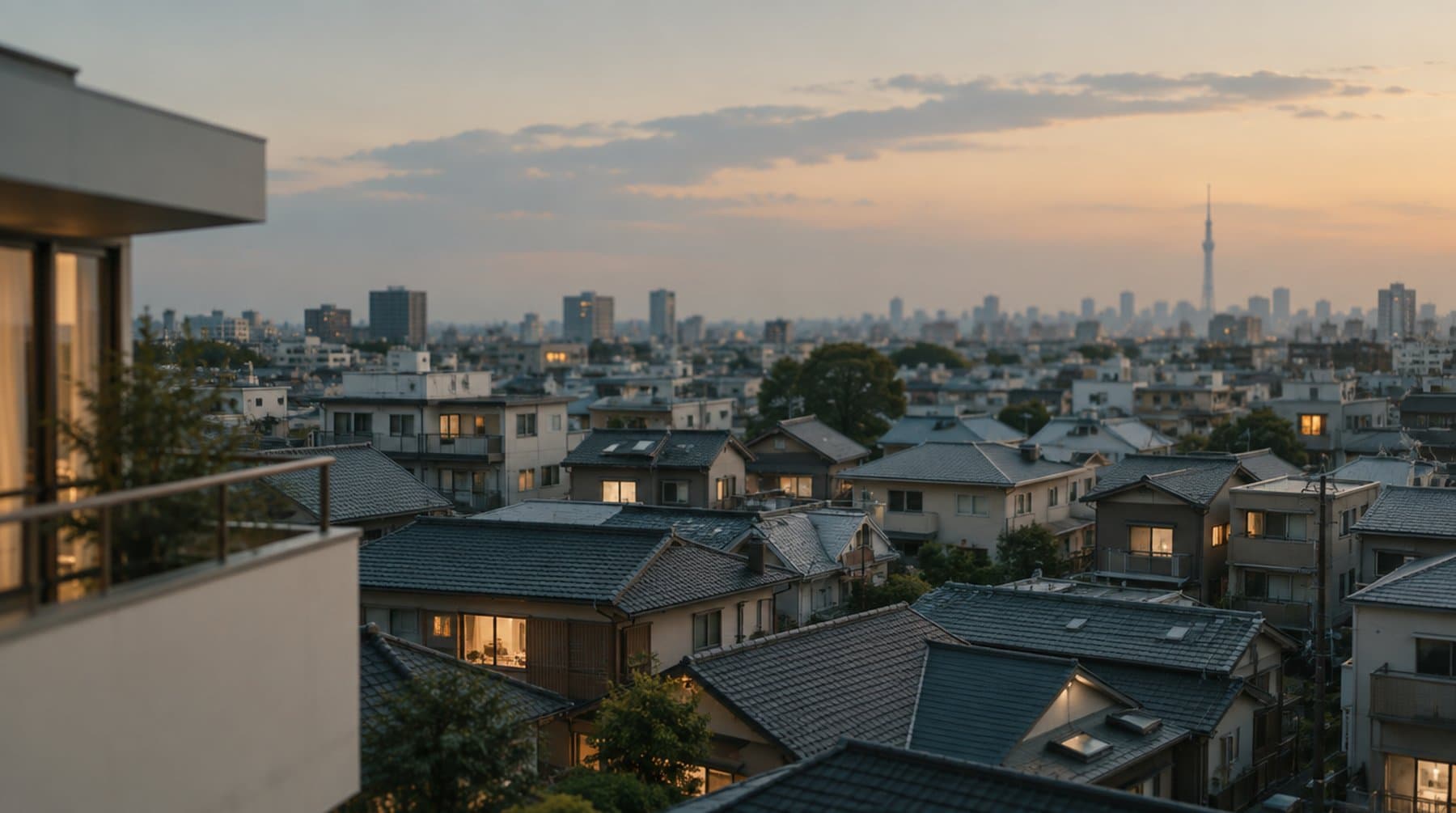
Ota City, as a national strategic zone, certifies 特区民泊: no annual cap, minimum stays of two nights. With Haneda in the ward, it suits longer-stay designs well. Our own HEIWAJIMA in Ota runs on the hotel-business permit instead, because we wanted one-night transit demand — same ward, different goal, different framework. That is the pattern everywhere: the framework follows the business design.
The checking order for any Tokyo property
- 1. Zoning, from the public urban-planning map. Commercial or semi-industrial opens the permit route
- 2. The ward's official minpaku page for notification overlays
- 3. For condominiums, the building rules: a prohibition clause ends it regardless of framework
- 4. Then demand: station distance, neighbouring occupancy and rates — the same checks as in the akiya article
- 5. Finally the health centre and fire department, per getting the permit
Which ward is 'best'
The honest answer is not 'the least regulated ward' but the ward where demand and property prices balance. We chose Katsushika (Kameari) and Ota (Heiwajima) because both sit off the tourist map yet ride direct train lines into demand, so nightly rates hold up against modest property prices. That structure still exists in other wards.
If you have a candidate property, we will read it — ward rules included.
Have a Tokyo property read