
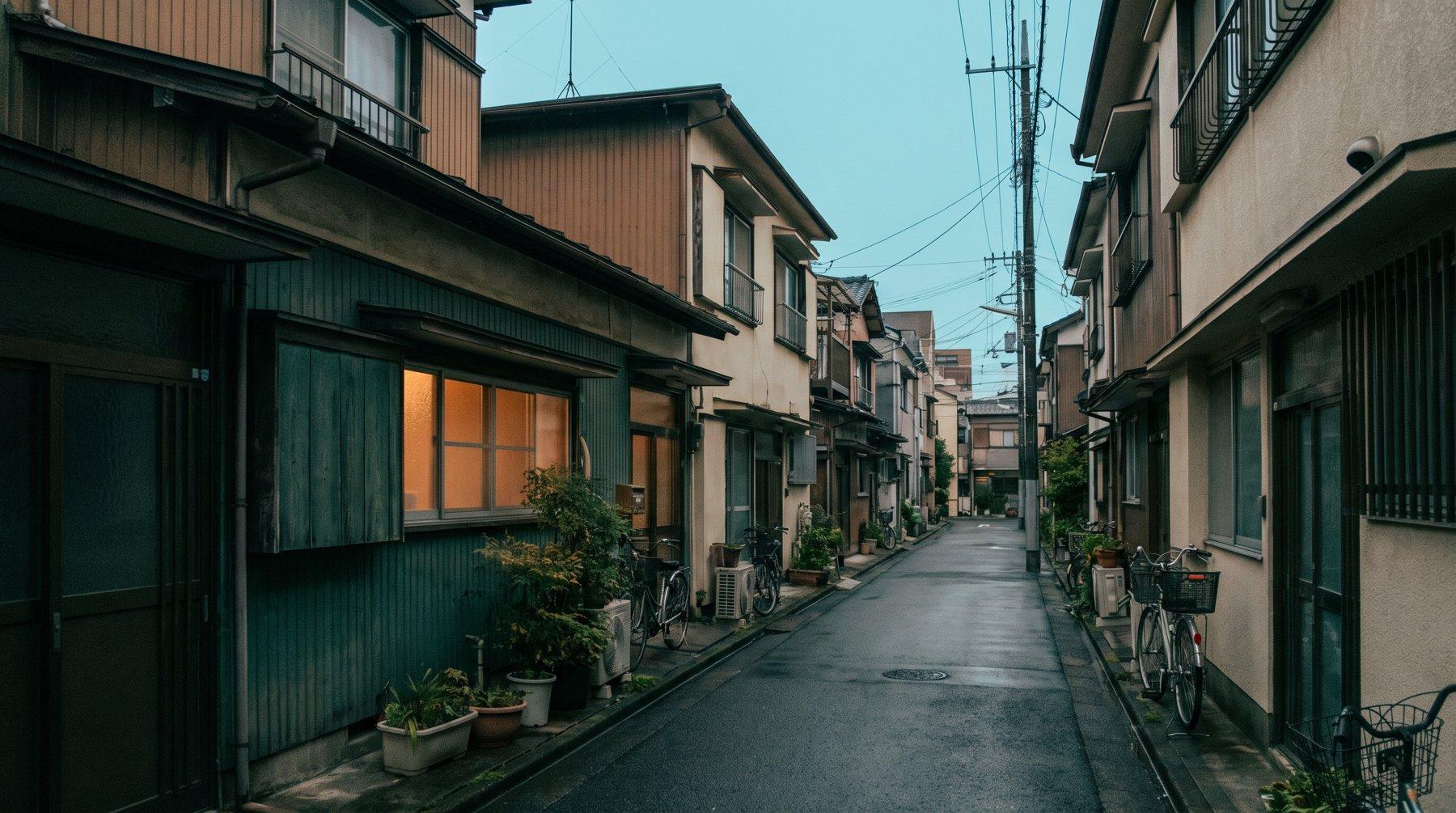
The national notification framework (民泊新法) lets each ward add restrictions by ordinance, and the wards use it: the same property conditions can mean different sellable days, even different sellable weekdays, one ward over. We hold hotel-business permits in Ota and Katsushika and run those apartments today.
This article deliberately is not a table of 23 wards' rules, because any such table starts rotting on publication. It teaches the overlay patterns and the checking order instead, which stay true as ordinances change.
What kinds of ward overlays are there?
The key structural fact: overlays bind the notification route. A property operating under the hotel-business permit is outside both the 180-night cap and the weekday limits, but inside zoning law, which bars the permit from residential-only zones. So Tokyo in practice becomes a two-route city: the permit in commercial and semi-industrial zonings, or the notification plus ward overlays in residential ones.
- Weekday limits: in residential zonings, operation confined to weekends and holiday eves, which quietly removes business-travel demand and shrinks the 180-night cap further in practice
- Area and period limits around schools and designated districts
- Procedural overlays: mandatory neighbour briefings, signage, a complaints contact
- Some wards add almost nothing and run the framework as written
What is different about Ota's special-zone route?
Ota City, as a national strategic zone, certifies 特区民泊: no annual cap, minimum stays of two nights. With Haneda in the ward, it suits longer-stay designs well. Our own HEIWAJIMA in Ota runs on the hotel-business permit instead, because we wanted one-night transit demand: same ward, different goal, different framework. That is the pattern everywhere: the framework follows the business design.
How do the three routes compare?
Tokyo's 23 wards offer three routes, the hotel-business permit (旅館業許可, the licence Japan's hotels and inns run under), the national notification framework (民泊新法, a filing with a 180-night annual cap), and Ota's special-zone certification (特区民泊), and they differ on three things: sellable nights per year, whether ward overlays apply, and what zoning allows. The permit and the notification framework come with different conditions, including how many nights you may sell, and we propose the route that suits the property.
The table puts this article on one page. For any individual address, confirm with the ward and the health centre, not with a summary, this one included.
| Route | Nights per year | Ward weekday and area overlays | Zoning | Suits |
|---|---|---|---|---|
| Hotel-business permit | No cap | Notification-route limits do not apply | Not in residential-only zones | Properties that want to sell every night of the week, from one-night transit stays up |
| Notification (民泊新法) | Up to 180 | May be added by ward ordinance | Residential zonings possible | Properties whose numbers still work with the overlay |
| Special zone (Ota only) | No cap | Check the ward's certification terms | Check the ward's certification terms | Designs built around stays of two nights or more |
How full are our own two Tokyo wards, in practice?
Over the twelve months from November 2025 to October 2026, our permit-holding Tokyo apartments in Katsushika and Ota averaged 84.8% occupancy, ranging from 60.0% in the weakest month (September 2026) to 93.3% in the strongest (November 2025). The figures come from our own booking system, and the method is published on our operating data page.
Across the whole portfolio, Sapporo included, the average stay over the same period was 3.3 nights and the median gap between booking and arrival was 40 days. Short stays arrive on every day of the week, which is exactly the demand a weekday-limited notification property cannot sell. That is what it means when we say the framework sets the ceiling on revenue.
These are our properties' results, not a forecast or a promise for yours: location, size and rate change the outcome.
What should you ask the ward office and the health centre?
Bring the address and the floor plan, and ask what applies to that address: general questions get general answers, so decide the questions before you go.
- What is the zoning at this address, and is the hotel-business permit possible here?
- If run under the notification framework, does this address fall under any weekday or area limit?
- Does the ward have its own procedure for neighbour briefings or signage?
- Beyond the floor plan, what should we bring to the health-centre pre-consultation?
- Which fire-department office handles this, and at what stage should we go?

In what order should you check a Tokyo property?
- 1. Zoning, from the public urban-planning map. Commercial or semi-industrial opens the permit route
- 2. The ward's official minpaku page for notification overlays
- 3. For condominiums, the building rules: a prohibition clause ends it regardless of framework
- 4. Then demand: station distance, neighbouring occupancy and rates, the same checks as in the akiya article
- 5. Finally the health centre and fire department, per getting the permit
Which ward is 'best'?
The honest answer is not 'the least regulated ward' but the ward where demand and property prices balance. We chose Katsushika (Kameari) and Ota (Heiwajima) because both sit off the tourist map yet ride direct train lines into demand, so nightly rates hold up against modest property prices. That structure still exists in other wards.
If you have a candidate property, we will read it, ward rules included.
Have a Tokyo property read